
What are the different Home Care Package levels?

From 1 November 2025, the Support at Home program replaced the Home Care Package program. Rules that apply under Support at Home may be different to those that applied to the Home Care Package program mentioned in this article. To learn more about the Support at Home program, visit our Topic Library or the official Support at Home website.

If you’re looking to remain in your own home while accessing in-home aged care support, a Home Care Package might be your best option. There are four home care package levels available depending on the level of care the person needs:

  • Home Care Package Level 1
  • Home Care Package Level 2
  • Home Care Package Level 3
  • Home Care Package Level 4.

In this article, we will explain the differences between them.

What is a Home Care Package?

A home care package is a government-subsidised package of care and support services that helps older Australians receive aged care and support in their own homes, and can be particularly beneficial for those with more complex care needs.

Find out more about home care packages, the services you can receive through it, and how to access a Home Care Package.

What are the different home care package levels?

There are home care package levels that Australians can access. Each level comes with a different amount of funding. Depending on the level of care the person needs — ranging from basic care needs (Level 1) to high care needs (Level 4) — the Aged Care Assessment Team (ACAT) will assess and decide the level that is appropriate for the person. Find out more about preparing for an ACAT assessment, to make sure your support needs are met.

  • Home care package Level 1 – basic care needs
  • Home care package Level 2 – low care needs
  • Home care package Level 3 – intermediate care needs
  • Home care package Level 4 – high care needs

Once you’ve been deemed eligible for a Home Care Package and the ACAT team has decided which home care package level suits you best, the next step is to choose a provider to identify your care needs and decide how you can use your home care package funding to best support you.

Your service provider coordinates and can provide care management of services. Alternatively, you can self-manage your Home Care Package through Mable to have complete control over who you select to provide support, at your chosen time and rates, and get more hours of care out of your funding. Before the policy of Consumer Directed Care was fully introduced in 2017, participants had to stick with their aged care provider with sometimes limited choices.

With consumer directed care, home care package funding was allocated to the person rather than to the aged care provider. This meant that participants could choose their own service providers and health professionals, potentially save on administration fees and decide – through platforms like Mable – who would support them, when and at what rates. Learn more about Consumer Directed Care.

What can home care package funds be used for?

You can purchase many different support services with your Home Care Package, including:

  • Personal care services: this includes assistance with personal activities such as showering, toileting, manual handling, shaving and other hygiene-related care, as well as mobility and communication support
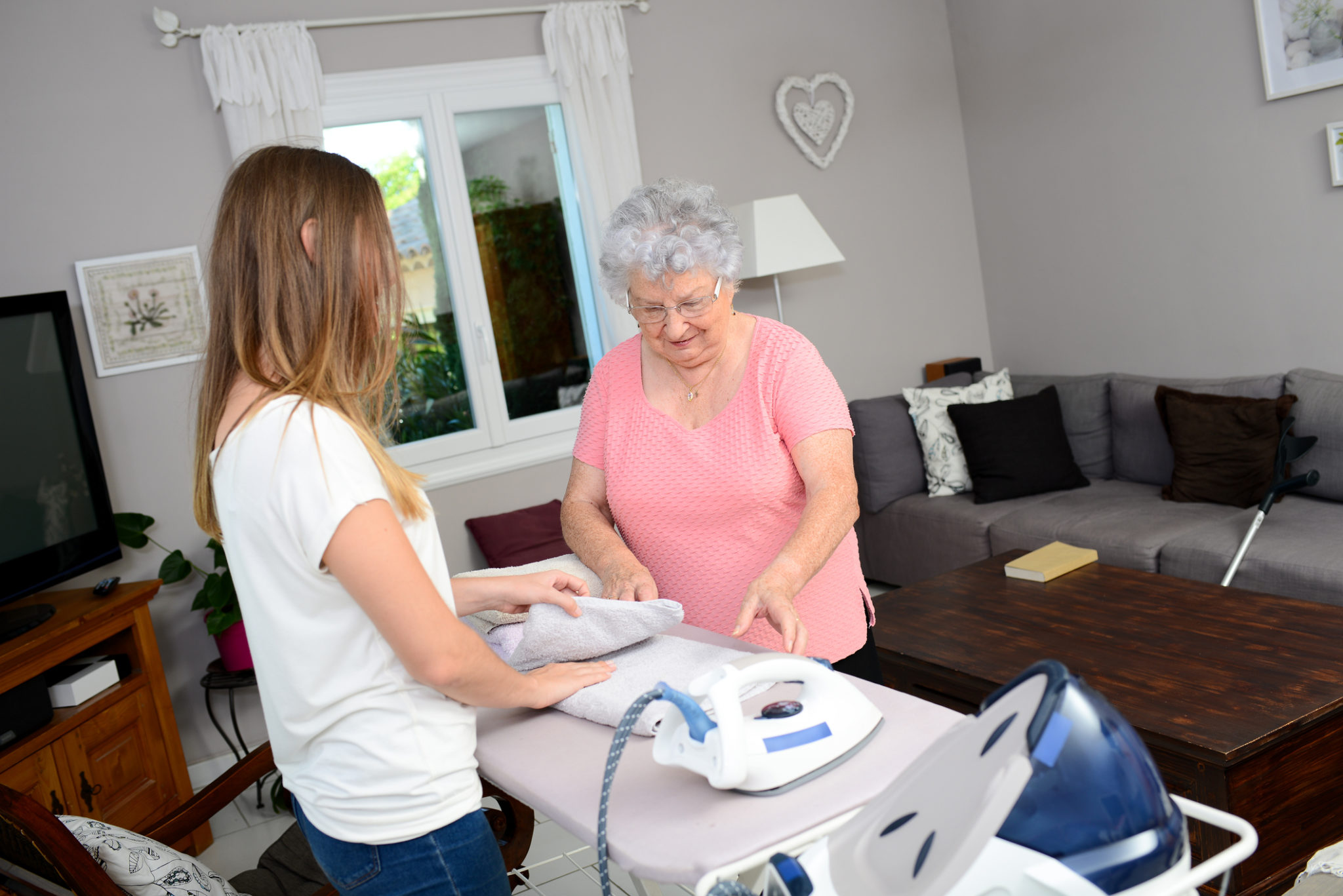
  • In-home support: this includes social support and domestic assistance including companionship, shopping, laundry, meal preparation and support to maintain a clean home environment
  • Support for continence management: this includes assistance using continence aids or disposable pads, support accessing dementia advisory services and support, as well as hearing and vision loss advisory services
  • Transport support: this includes assistance for shopping, attending personal appointments and travel to social activities
  • Mobility: this includes costs for crutches and mobility aids such as walking frames, walking sticks and mechanical devices
  • Nursing care, allied health and therapy services: this might include occupational therapy, psychology support, podiatry or physiotherapy.

Learn more about self-managing your Home Care Package, and start booking independent support workers on Mable to get the most out of your funding.

FAQs

You might have to contribute to the cost of your care. Your contribution is made up of three types of fees:

  • Basic daily fee

Your provider may ask you to pay a basic daily fee based on your Home Care Package level.

  • Income-tested care fee

Some people may also have to pay an income-tested care fee. Whether you pay it, and how much of it you pay, is determined through a formal income assessment from the Services Australia. If you have to pay this fee, there are annual and lifetime limits on how much you can be asked to pay.

  • Additional fees

Any other amount you have agreed to pay for extra care and services that wouldn’t otherwise be covered by your Home Care Package.

Find out more about Home Care Package fees and charges.

If you haven’t already applied or begun receiving a Home Care Package, you can do so by accessing the MyAgedCare site. From the My Aged Care site, you can organise to be assessed by the Aged Care Assessment Team (ACAT) who will determine which level of home care package you may need.

Having a home care package means you have greater control over how you live and what support you access. With a package, you’re entitled to have the freedom to choose a provider that can help you achieve your support goals. You’re also able to actively manage your package, receive monthly statements from the government about your subsidies, receive formal reassessments by ACAT and work directly with your support provider to create support plans tailored to your needs.


Am I eligible for a Home Care Package?

From 1 November 2025, the Support at Home program replaced the Home Care Package program. Rules that apply under Support at Home may be different to those that applied to the Home Care Package program mentioned in this article. To learn more about the Support at Home program, visit our Topic Library or the official Support at Home website.

The Home Care Package program aims to provide support to older people with complex needs so they can remain living in their home. However, in order to receive the support they need, they must be eligible for the program.

What is a Home Care Package?

A Home Care Package (HCP) is funding provided by the federal government that helps support older Australians to live independently for longer in their own homes. There are four levels of Home Care Package, and an individual is assessed for their eligibility for the appropriate level, based on their needs and capabilities.

A Level 1 Home Care Package provides for basic care needs at $9,026.45 per year, Level 2 provides for low care needs at $15,877.50 per year, Level 3 provides for intermediate care needs at $34,550.90 per year and Level 4 provides for high care needs at $52,377.50 per year. Find out more about the different levels of Home Care Package available.

As a recipient of a Home Care Package, you don’t receive the money directly in hand. Rather, it is administered by an HCP provider, who pays for the services you would receive out of your package.

Do you need a Home Care Package?

If you find that you are struggling with everyday tasks such as bathing, hygiene and grooming, preparing meals, light housework, laundry, and getting to and from appointments, a Home Care Package may be for you.

Your needs may be more comprehensive, such as requiring nursing care, podiatry, physiotherapy and other services that help with movement and mobility.

Perhaps you have mobility challenges such as you can no longer walk independently around your home. You may be experiencing difficulties with continence or find that you can’t shower yourself safely anymore because of a risk of falling or slipping.

These are all challenges that will be taken into account when being assessed for eligibility for a Home Care Package.

Who is eligible for a Home Care Package?

You may be eligible for a Home Care Package if you are aged 65 years or older (50 years or older if you identify as Aboriginal or Torres Strait Islander), living at home and need assistance to do the things you used to be able to do yourself.

To check whether you’re eligible and get started with your application , you first need to register with MyAgedCare, either over the phone or online. You can contact My Aged Care directly, or have a family member or other trusted person do so on your behalf. To find out if you are eligible, the first step is to check if you meet the requirements for an assessment.

The Assessment eligibility checker on the My Aged Care website is a handy tool to check if you’re eligible for an assessment.

Once it’s clear that you are eligible for assessment, an ACAT assessment will be conducted by the Aged Care Assessment Team. An ACAT assessor — likely a nurse, social worker or healthcare professional — will typically visit your home to carry out the assessment. Ensure that you are prepared for the assessment.

After an ACAT assessment, if the assessor deems you eligible for a Home Care Package, you should receive an approval letter from ACAT. If not, you will receive information about why you are ineligible. If you have had a comprehensive assessment and disagree with the decision, you can request a review from ACAT.

You can still find support via Mable if you’re ineligible, by paying privately.

Find out in more detail how to access a Home Care Package.

What if I’m not eligible for a Home Care Package?

If you’ve been deemed ineligible for a government Home Care Package at this stage, but you still feel you need support to go about your everyday life, you can connect with an independent support worker via the Mable website who can give you some assistance at home, take you to appointments or to social outings, help with light housework, and even travel with you.

Without a Home Care Package, you simply pay privately for the support you receive. With Mable, you have the freedom to negotiate the payment rate directly with your support worker, thus choosing what you want to pay, what services you want and when you want them.

FAQs

As of 31 December 2021, 217,724 people had access to a Home Care Package.

You might have to contribute to the cost of your care. Your contribution is made up of three types of fees:

  • Basic daily fee

Your provider may ask you to pay a basic daily fee based on your Home Care Package level.

  • Income-tested care fee

Some people may also have to pay an income-tested care fee. Whether you pay it, and how much of it you pay, is determined through a formal income assessment from the Services Australia. If you have to pay this fee, there are annual and lifetime limits on how much you can be asked to pay.

  • Additional fees

Any other amount you have agreed to pay for extra care and services that wouldn’t otherwise be covered by your Home Care Package.

Find out more about Home Care Package fees and charges.

If you haven’t already applied or begun receiving a Home Care Package, you can do so by accessing the MyAgedCare site. From the My Aged Care site, you can organise to be assessed by the Aged Care Assessment Team (ACAT) who will determine which level of home care package you may need.

Home care packages are allocated according to needs priority. A higher priority applicant will receive their HCP sooner. Once the Home Care Package level is determined, a medium priority individual may expect to wait 3-6 months for a Level 1 package and 6-9 months for Levels 2, 3 and 4.

It’s highly recommended that when you first start to feel like you need support, you begin the application process. In the meantime, you can pay privately for support by connecting with Independent Support Workers via Mable.

What is a Home Care Package?

From 1 November 2025, the Support at Home program replaced the Home Care Package program. Rules that apply under Support at Home may be different to those that applied to the Home Care Package program mentioned in this article. To learn more about the Support at Home program, visit our Topic Library or the official Support at Home website.

Home Care Packages (HCP) are a government funding program through which older Australians can access care services to help them live independently at home, especially for those with more complex care needs.

There are four levels of Home Care Package, and an individual is assessed for their eligibility for the appropriate level, based on their needs and capabilities.

As a recipient of a Home Care Package, you don’t receive the money directly in hand. Rather, it is administered by a HCP provider, who pays for the services you would receive out of your package.

The first step to applying for an HCP is to determine if you are eligible for it. To be approved for a Home Care Package, you would first complete a comprehensive aged care assessment, conducted by an Aged Care Assessment Team (ACAT), which will discuss your current care needs and supports. Find out how to prepare for your ACAT assessment.

Once you’re deemed eligible, you are assigned a package, and you need to find a home care provider who will work with you to:

  • Choose care and services that best meet your assessed needs and personal goals
  • Allow you to self-manage your care and services.

Depending on the level of the Home Care Package you are eligible for and get, you can find support for many kinds of services.

What services can you get with a Home Care Package?

You can purchase many different support services with your home care package, including:

  • Personal services: this includes assistance with personal activities such as hygiene maintenance, mobility and communication
  • In-home support: this includes assistance with nutrition, hydration, meal preparation and support to maintain a clean home environment
  • Continence management: this includes assistance using continence aids or disposable pads
  • Transport: this includes assistance shopping, attending personal appointments and transport to social activities
  • Mobility: this includes costs for crutches and mobility aids such as walking frames, walking sticks and mechanical devices
  • Nursing, allied health and therapy services: this might include occupational therapy, psychology support, podiatry or physiotherapy.

Levels of Home Care Package

There are four levels of a Home Care Package, depending on the level of support you need, ranging from basic care needs (Level 1) to high-level care needs (Level 4). The ACAT team decided the best level of Home Care Package for you. Find out more about the levels of home care packages and how they differ from each other.

How to access a Home Care Package

There are five steps to access a Home Care Package.

Step 1: Receive the outcome of your ACAT assessment

Step 2: Choose a Home Care Package provider and work out costs

Step 3: Be assigned a Home Care Package

Step 4: Enter into a Home Care Agreement

Step 5: Begin your services

Explore in detail how to access your Home Care Package to start connecting with supports.

FAQs

You cannot use your Home Care Package funding on items and services that do not align to your specific care needs. Some examples include:

  • Groceries (with the exception of medically prescribed supplementary food products, such as vitamins)
  • Household appliances and whitegoods
  • Electronics for personal use
  • Personal care appointment costs (waxing, hairdressing, etc.)
  • Rent or mortgage payments
  • Household bills
  • Cost of participating in recreation (movie tickets, entry fees, craft supplies, etc.)
  • Expenses involved in buying and maintaining a personal vehicle
  • Public transport (trains, buses, etc.)
  • Home modifications that aren’t directly related to your care needs.

You can find support through Mable, and pay privately for support services, even if you’re not eligible for a Home Care Package. Find out more about paying privately for support through Mable.

Respite care can be useful in giving you and your carer a break for a short period of time. There are different types of respite care that you may or may not be able to fund through your Home Care Package. We recommend calling MyAgedCare on 1800 200 422 to confirm.

You might have to contribute to the cost of your care. Your contribution is made up of three types of fees:

  • Basic daily fee

Your provider may ask you to pay a basic daily fee based on your Home Care Package level.

  • Income-tested care fee

Some people may also have to pay an income-tested care fee. Whether you pay it, and how much of it you pay, is determined through a formal income assessment from the Services Australia. If you have to pay this fee, there are annual and lifetime limits on how much you can be asked to pay.

  • Additional fees

Any other amount you have agreed to pay for extra care and services that wouldn’t otherwise be covered by your Home Care Package.

Find out more about Home Care Package fees and charges.

Top three advantages of building a team of supports on Mable

From 1 November 2025, the Support at Home program replaced the Home Care Package program. Rules that apply under Support at Home may be different to those that applied to the Home Care Package program mentioned in this article. To learn more about the Support at Home program, visit our Topic Library or the official Support at Home website.

On Mable, you can find support people who share your interests, and who can support you to do the things you’d like to do. There’s no limit to the amount of support people you can engage via Mable, so the possibilities are endless! Taking advantage of this and building out a team of support comes with numerous advantages – we’ve put together our top three!

1. You’ll always have support when you want it

A team of support on Mable means that if one worker is unwell or unable to make a shift, you already have other options who can fill in to meet your needs. If you have 2 or 3 support people on Mable that you get along really well with, it can be a good idea to introduce them to each other, so that they are all aware of their support schedules. This means that, with a team you can rely on, you’ll never be left having to locate another support worker at the last minute!

One good example of a Mable user who has built a team of support is Melissa, who uses Mable to get social support for her 3 children. Her support workers are all university students, and are able to organise amongst themselves for times where one of them might need to cover a shift as another member of her team has exams or other commitments.

2. You can have different support people for different activities

You probably have a whole variety of activities and interests that you like taking part in. On Mable, you can find different people to engage in different activities with you. One Mable client who is making the most out of the different backgrounds that support people on Mable have is Jordan, a young man with a variety of passions. His dream is to one day be a Paralympian in cycling, so on Mable he works with a support worker who is also a cyclist. Another of his interests is photography, so he also works with a photographer support worker, who takes him out to take photos, helps him use photoshop, and assists him with his TAFE studies in photography.

You can also ‘post a job’ on Mable to craft a job post with your specific requirements, such as; any preferences in regard to age or background of your support worker, availability, any requirements they may need and the type of support you’d like them to provide. So if you wanted to add to your Mable support team, now is the perfect time to do it!

3. Different support workers can support you for different tasks

It’s important to consider that the qualifications of support workers on Mable vary, with some support workers only offering social support and other workers with nursing qualifications, specialists in different types of therapy, and so on. With a team of support workers, you can do the fun things you enjoy with your support workers who share your passions, and then have other support workers in your team for your other support needs, such as personal care or therapy support.

By choosing to have your support delivered by more than one worker you not only create more opportunity to engage with your community, have more diversity in your supports and those individual skills and interests that a support worker brings, but you also have some back up support when your valued support worker wants to take a holiday or falls sick.

Keen to start building your support on Mable? Join Mable today!

What can Home Care Package funds be used for?

From 1 November 2025, the Support at Home program replaced the Home Care Package program. Rules that apply under Support at Home may be different to those that applied to the Home Care Package program mentioned in this article. To learn more about the Support at Home program, visit our Topic Library or the official Support at Home website.

Home Care Packages are government-funded programs in Australia designed to help older individuals remain independent in their homes for as long as possible.

These packages provide a range of services tailored to the specific needs of each individual. Home Care Package levels are determined based on an assessment of the person’s needs by an Aged Care Assessment Team (ACAT). The assessment considers the level of support required for daily living and personal care.

Support services you can get with your Home Care Package include cleaning, gardening, and personal care assistance. They also cover assistive technology, known as Goods, Equipment, and Assistive Technology (GEAT), which includes devices and equipment to enhance safety and mobility. Daily living aids, like shower chairs or bed rails, can also be funded through these packages.

There are 4 levels of Home Care Packages, each catering to different care needs.

  • Level 1 supports basic care needs, providing a small amount of assistance.
  • Level 2 is for low-level care needs, offering a broader range of services.
  • Level 3 supports intermediate care needs, with more comprehensive assistance.
  • Level 4 is for high-level care needs, providing the most extensive support for individuals with significant requirements.

Each level corresponds to an increased funding amount, ensuring that individuals receive the necessary support to maintain their independence and well-being.

Care and services you can use with your Home Care Package funds

The Home Care Package (HCP) is designed to help you remain living independently and safely in your own home. The funding can be used to pay for care, services and goods that align with your specific care needs.

Depending on your HCP level and needs, you can spend your home care package fund on the following:

  • Personal care (such as bathing, maintaining personal hygiene)
  • Nursing care
  • Therapies to maintain movement and mobility (such as podiatry, physiotherapy, and occupational therapy)
  • Meal preparation
  • Chores around the house (such as cleaning, laundry, and general housework) Support with social activities to help the person stay engaged with their community
  • Transport support
  • Home or garden maintenance
  • Support managing particular conditions to help you live independently at home.

For more information, My Aged Care provides a thorough overview of services.

The full list of home care services is provided in the Quality of Care Principles 2014 on the Federal Register of Legislation website, Schedule 3 – Care and services for home care services.

What you can purchase with your Home Care Package

Your Home Care Package can also be used to buy goods, equipment and assistive technology to assist you in your everyday life.

Depending on your care needs and HCP, you can buy products ranging from eating utensils to mobility aids. These can be used either temporarily or for ongoing support. Some products may be recommended or prescribed by a healthcare professional.

Examples of products covered by HCPs include:

  • Specialised eating utensils
  • Enteral feeding equipment
  • Continence management products
  • Mobility aids
  • Shower chairs
  • Safety equipment
  • Assistive technology.

You can use your HCP to buy consumables available on Mable Direct, provided they align with your needs.

Simply order the items you need and save your invoice to make a claim with your provider.

Visit Mable Direct to browse our wide range of consumables.

Find out more in our guide to Home Care Package consumables.

What's not included in the Home Care Package

While Home Care Packages are flexible and are designed to be spent on supporting your needs, there are some things that are not covered by Home Care Package funding. 

These include:

  • Food (except as part of enteral feeding requirements)
  • General household items
  • Rent or accommodation
  • Home modifications that are not related to your needs
  • Holiday travel expenses
  • Entertainment activities such as club memberships and tickets to sporting events

Home Care Package supplements

In addition to your regular Home Care Package funding, there are also package supplements available for specific care needs.

Dementia and Cognition Supplement

The Dementia and Cognition Supplement provides an additional 10% in funding for recipients for home care recipients with moderate to severe levels of cognitive impairment associated with dementia or other conditions. This supplement is available across all 4 levels of Home Care Packages, ensuring that individuals with cognitive challenges receive the extra support they need.

The funding can be used for specialised services such as tailored cognitive therapies, enhanced supervision to ensure safety, personalised activities designed to stimulate memory and cognition, and training for carers on managing cognitive disorders.

These supports are crucial in enhancing the quality of life and maintaining the independence of individuals with dementia.

Veterans’ Supplement

The Veterans’ Supplement provides an additional 10% in funding for veterans with service-related mental health conditions, complementing the regular Home Care Package funding. This extra support is designed to address the unique needs of veterans, ensuring they receive comprehensive care.

The funding can be used for services such as psychological counselling to address trauma, stress management programs to enhance coping skills, and therapeutic activities like art or music therapy. Additionally, it can cover support for social engagement to reduce isolation and improve mental well-being.

This supplement ensures veterans have access to tailored care that enhances their quality of life.

How Mable can support with your Home Care Package fund

Find the right fit

With Mable, you can browse profiles of qualified and diverse support workers, allowing you to find the right fit for your needs and preferences.

Flexible scheduling

Enjoy the benefit of flexible scheduling with the ease of updating sessions directly through the Mable platform. This flexibility allows you to adjust your care schedule as your needs change.

Simplified management

Mable simplifies the booking process and expense tracking, helping you manage your care seamlessly. The platform also assists with submitting any claims to the government, ensuring a hassle-free experience.

Peace of mind

Rest assured, knowing that Mable’s support workers are qualified, insured, and background-checked, providing you with the peace of mind that your safety and well-being are prioritised.

Read more about safeguards on the Mable platform.

If you want to understand more about Home Care Packages and how they work, explore our comprehensive guide to Home Care Packages.

FAQs

You might have to contribute to the cost of your care. Your contribution is made up of three types of fees:

  • Basic daily fee

Your provider may ask you to pay a basic daily fee based on your Home Care Package level.

  • Income-tested care fee

Some people may also have to pay an income-tested care fee. Whether you pay it, and how much of it you pay, is determined through a formal income assessment from the Services Australia. If you have to pay this fee, there are annual and lifetime limits on how much you can be asked to pay.

  • Additional fees

Any other amount you have agreed to pay for extra care and services that wouldn’t otherwise be covered by your Home Care Package.

Find out more about Home Care Package fees and charges.

Eligibility for a Home Care Package depends primarily on age and need.

You may be eligible for a Home Care Package if you are aged 65 years or older (50 years or older if you identify as Aboriginal or Torres Strait Islander), living at home and need assistance to do the things you used to be able to do yourself.

To find out if you are eligible, the first step is to check if you meet the requirements for an assessment.

The eligibility checker on the My Aged Care website is a handy tool to check if you’re eligible for an assessment.

Once it’s clear that you are eligible for assessment, an ACAT assessment will be conducted by the Aged Care Assessment Team. An ACAT assessor — likely a nurse, social worker or healthcare professional — will typically visit your home to carry out the assessment.

For more detailed information, read our guide on Home Care Package eligibility and what to do if you're not eligible.

Mable Direct provides independent support workers, clients, and coordinators with direct access to affordable consumables, equipment, and wearables for their everyday needs.

Clients can use NDIS or aged care funding to make purchases, as long as they align with their needs. With Mable Direct you get fast delivery and customer support.

The NDIS consumables budget allows you to spend up to $1,500 on reasonable and necessary consumables.

Learn more about how you can use your NDIS funding for consumables with our Guide to your NDIS consumables budget.

Use your HCP funding and shop affordable consumables

Use Mable to pay privately while waiting for a Home Care Package

From 1 November 2025, the Support at Home program replaced the Home Care Package program. Rules that apply under Support at Home may be different to those that applied to the Home Care Package program mentioned in this article. To learn more about the Support at Home program, visit our Topic Library or the official Support at Home website.

Most people want nothing more than to maintain their independence – even if they need some support. Unfortunately, Home Care Packages (HCP) are a long-awaited source of support funding that has thousands left wondering when they will receive it. As an alternative, many elderly Australians are self-funding their support through options like Mable.

The Department of Health states the average waiting time for a home care package to be approved can last as long as six months to a year depending on the level of the package in question.

For those wanting to live independently for as long as possible, home care packages are integral to allowing choice, freedom and autonomy through financial funding. But for those who are searching for support in the interim or are looking for reliable long-term support, there are options:

What to do while you wait for your Home Care Package

If you’re currently in the queue for a home care package, privately paying for your support may be an inevitable option – but it doesn’t have to be expensive. In an article by The Sydney Morning Herald, Mable was mentioned as an affordable option for those looking to self-manage their support and home care packages. Even without a package, people looking for aged care can directly engage with a variety of independent support workers on the Mable platform.

The community of support workers on Mable provide aged care and over 50% of the support workers on Mable have experience in aged care and dementia support. These support workers are thoroughly checked and are only able to provide support once they are approved under the strict processes followed by the Mable Team based in Sydney. You can find out more about the approval process here.

The platform is designed to provide clients with as much choice, personalisation and independence as possible by allowing clients to post jobs, select support workers and negotiate payments.

When your home care package funding becomes available and you’ve found an Approved Provider to host your package with, you can simply let Mable know by updating your account and payment details.

Satish: a privately paying aged care client

Satish, a client using the Mable platform, chose to bypass the year-long delay that came with waiting for a home care package and utilised a traditional provider for his support needs. As he was paying privately, the bills started to add up with Satish’s service provider. He soon discovered Mable could meet his support needs and he could build a team around him.

For Satish, Mable provided the same level of care at a much lower cost. It also gave him the independence to choose his own workers and nursing staff and build lasting relationships with his dedicated support workers.

Privately paying for your support means you can access the independence that some service providers may not offer. If you’re looking for an alternative support option while you wait for a HCP or are considering a different support system, Mable’s flexibility and affordability can help you regain that independence.

Mable can provide you unique support whether you’re home care package funded, on the home care package waiting list or are looking to pay privately. Start searching today.

Use Mable to get home cleaning services under your Home Care Package

From 1 November 2025, the Support at Home program replaced the Home Care Package program. Rules that apply under Support at Home may be different to those that applied to the Home Care Package program mentioned in this article. To learn more about the Support at Home program, visit our Topic Library or the official Support at Home website.

Home cleaning services can play a key role in taking the stress out of managing a home, especially if you’re finding that you need a bit more support with everyday tasks. Finding in-home support, such as house cleaning, is much easier than you think. 

While you can pay privately for support workers, if you have a Home Care Package, you can use your funding with Mable to help you receive cost-effective support to get house cleaning services for your home.

How can I find a support worker on Mable for house cleaning services near me?

With 23,000+ independent support workers on the Mable community, booking a support worker for house cleaning is as easy as searching in your area or posting a job on Mable. You don’t have to create an account to discover support workers near you, but you will have to create an account on Mable to get in touch with them.

By booking and managing support through Mable:

  • You have choice and control over who supports you, when and where they support you, and how much you pay for the support
  • You’re safeguarded by Mable’s verification and the high-level suite of insurances arranged by Mable on behalf of support workers

If you’re already receiving support from a person within your community, you can get them to sign up on Mable as part of your support team. They might be your neighbour, a friend or even your existing professional cleaner. Learn more about how they can sign up to Mable and become a support worker.

How to organise a support session

Once they have joined Mable, the support worker will need to create a service agreement for you to review and approve. Agreements are created on the Mable platform and help provide you and your support worker clarity about your support, including your agreed hourly rate, the time and date of the sessions and what type of support you will receive. It’s important that you have an approved service agreement in place before starting any support sessions, to ensure insurance coverage is provided.

Once the agreement has been approved, you can manage your support sessions and payments through Mable. Once you’ve created your own account on Mable  and connected with an independent support worker via the Mable platform, you can begin organising your first support session with an agreement.

After a support session is complete, your support worker will submit a timesheet for you to approve. The payment for your support worker will be processed after you approve the timesheet.

House cleaning services you can receive from a support worker on Mable

Domestic assistance can cover many aspects of maintaining your home environment. Support workers on Mable can help you feel organised with a range of cleaning methods, including:

  • dusting, vacuuming and mopping,
  • kitchen maintenance such as tidying, cleaning dishes and wiping surfaces,
  • the bigger deep cleaning jobs, such as cleaning your oven and fridge,
  • end of lease cleaning service,
  • bathroom cleaning such as toilets and showers,
  • outdoor maintenance such as removing weeds, gardening and cleaning outdoor surfaces.

Whatever type of cleaning support you may need, you can communicate these in your job post, or directly to support workers on Mable through the platform. These services will also need to be included in your agreement with your worker or workers.

Using your funding with Mable for house cleaning services

If you’re not receiving funding for aged care or you’re waiting for a Home Care Package, you can pay privately for any support you receive via Mable. If you are receiving a Home Care Package, you can use this funding to get more hours of support.

Why Mable is a great option for those with a Home Care Package

From 1 November 2025, the Support at Home program replaced the Home Care Package program. Rules that apply under Support at Home may be different to those that applied to the Home Care Package program mentioned in this article. To learn more about the Support at Home program, visit our Topic Library or the official Support at Home website.

With more Australians than ever seeking to remain at home as they age, growth of the Home Care Package program is a national priority. If you currently have a package, or are waiting for one, it’s important to understand the choices you have about how you can access your support.

Choosing Mable to find and directly engage your own independent aged care and support workers is one of the best ways to get the most hours of care from your package. But that’s not the only benefit.

Why your choice about how to spend your Home Care Package matters

With the introduction of Consumer Directed Care in Australia back in 2017, consumers have more choice than ever about how to spend their government funding. This choice is crucial, not only to determining the quality of support you receive, but also the value you can get out of your package. Greater value means more hours of support for you or your family member, something which can directly impact quality of life.

How you can ‘self-manage’ your Home Care Package on Mable

Mable first introduced the term ‘self-managed Home Care Packages’ to describe how our platform works for people receiving support under a Home Care Package.

By signing up to Mable, you have access to an easy and safe online platform to search for independent care and support workers from your local area. Self-managing means you and your family do this part yourself. You find a worker you like, agree on an hourly rate, the services they provide and the days and times they provide support. All of this is done via our secure online platform.

You still need an Approved Home Care Provider to host your package, but by self-managing your package, we can introduce you to our Approved Provider Partners who offer a lower administrative fee, freeing up more funding for you to spend on your services.

Why you should self-manage your package with Mable

For some clients, choosing Mable is about the freedom of selecting your own support workers and deciding when they will come into your home to support you. For others, it’s about the peace of mind it provides about the safety and wellbeing of their loved ones. But for most of our clients, the overwhelming benefit is the additional support it provides through the unprecedented value that Mable and our partner providers can deliver. In fact, self-managing your package via Mable means you could get more hours of support compared to a traditional provider. Here’s a breakdown of how that works, and how many hours you would receive depending on your package level.

How to get started self-managing your Home Care Package with Mable

If you’ve just received a Home Care Package, here are the steps you can take to get started with Mable:

Step 1: Sign up to the platform for free, and start searching for independent care and support workers in your local area. If you know someone in your community who you would like to engage to provide you with support, you can bring them along, too.

Step 2: Call our customer support team on 1300 736 573 to find out which partner providers are in your local area. We’ll also explain how their fees work.

Step 3: Contact care and support workers directly to get to know them better. Agree the hourly rate you wish to pay, and the hours and services that work for you both. Many workers on the platform will offer a meet-and-greet for free, so you can meet in person to find out if you’re a good fit.

Step 4: Our approved Home Care Provider partners will host your package and we’ll send invoices to them directly on behalf of you after timesheets have been approved on Mable, so you don’t have to worry about it.

Using your Home Care Package to find dementia support

From 1 November 2025, the Support at Home program replaced the Home Care Package program. Rules that apply under Support at Home may be different to those that applied to the Home Care Package program mentioned in this article. To learn more about the Support at Home program, visit our Topic Library or the official Support at Home website.

If you have a loved one living with dementia and are looking for additional support for them to continue living independently in the home, a Home Care Package is what might suit you best.

What is a Home Care Package?

A Home Care Package is one of the ways that older Australians can access affordable care services to get some help at home. They are designed for those with more complex care needs. Once you have cleared the eligibility requirements for a home care package and have been assigned one, you can use it to find support services via Mable.

Everyone who receives a government-funded home care package has the option to ‘self-manage’ it. Self-managing your Home Care Package means you make most of your own choices about how your money is used to best meet your needs. That includes choosing the people who support you, what they do and when.

Find out how self-managing a Home Care Package works through Mable and how it can help you get more out of your funding paying lower administration fees.

What services can you use with your Home Care Package?

Through Mable, you can book independent support workers to help you with a range of services, including cleaning, meal preparation, personal assistance, companionship, social outings, maintaining the home, pet care, laundry, gardening or higher-level care like respite care, clinical care, medication prompting and even round the clock care.

Finding dementia support using your Home Care Package

As defined by Dementia Australia, dementia is an extremely broad set of symptoms, affecting nearly 1 in 10 people over the age of 65. Dementia is often used as a general term when talking about the cognitive decline associated with ageing – and it has many causes.

Typically, persons with dementia experience memory loss (the severity depends on how far the condition has progressed), confusion, disorientation, difficulty concentrating or executing daily tasks that they earlier found easy or enjoyable. As such, they may need any or all of the following types of support:

  • Assistance with day to day tasks such as cleaning, washing, personal care, cooking
  • Driving to appointments or work (if they choose to continue with employment)
  • Staying physically and mentally active through exercises, participating in activities or outings they typically enjoy
  • Help with administering medications
  • Respite care for family members or loved ones who are also supporting them

With your home care package, you can find dementia support through Mable for any or all these services to help your loved one live as independently as possible in their home.

You can search for and book Independent Support Workers in your local area through Mable.

FAQs

Self-management gives you the power to make your own decisions around the services you need. For a start, you can choose and engage your own service providers and health professionals directly to suit your particular needs. You might want someone who lives locally, speaks your language, shares your interests, can meet your scheduling requirements, or meet any other expectations you might have.

You cannot use your Home Care Package funding on items and services that do not align to your specific care needs. Some examples include:

  • Groceries (with the exception of medically prescribed supplementary food products, such as vitamins)
  • Household appliances and whitegoods
  • Electronics for personal use
  • Personal care appointment costs (waxing, hairdressing, etc.)
  • Rent or mortgage payments
  • Household bills
  • Cost of participating in recreation (movie tickets, entry fees, craft supplies, etc.)
  • Expenses involved in buying and maintaining a personal vehicle
  • Public transport (trains, buses, etc.)
  • Home modifications that aren’t directly related to your care needs.

A range of safeguards are in place to build trust, and offer safety, protection and peace of mind for the entire Mable Community. For the safety of our community, all independent support workers, before they are approved and available on the Mable platform, are required to undergo an NDIS Worker Screening Check, training and other rigorous checks. Find out more about safeguards on the Mable website.

The NDIS Worker Screening Check has replaced police checks as a mandatory requirement for all support workers on Mable. New support workers signing up to Mable require an NDIS Worker Screening Check.

A guide to caring for a parent or loved one with dementia

As of 2024, there are an estimated 421,000 Australians that live with dementia, with approximately 2 out of 3 cases living in the community and not in residential aged care. According to 2024 statistics provided by Dementia Australia, an estimated 1.6 million people in Australia are involved in the care of someone living with dementia.

For those helping a loved one with dementia, much of your concern or fear may come from not knowing what’s likely to happen in the future.

What is dementia?

Dementia is not a specific disease. It’s a collection of symptoms caused by disorders that affect the brain, resulting in memory, coordination, mood, behaviour, language, and reasoning difficulties. It causes a gradual loss of cognitive functioning, which, in time, impacts a person’s day-to-day life and activities. The most common cause of dementia is Alzheimer’s disease. Dementia diagnosis is more common after the age of 65.

Warning signs of dementia

Although there are common symptoms of dementia, each individual can be affected in different ways. Depending on the type of dementia and its progression, symptoms can include:
  • Memory loss, especially around more recent events. In the early stages of dementia, the person may misplace objects or forget what they were planning to do
  • Difficulty finding their way around, especially in new or unfamiliar surroundings
  • Problems finding the correct words or understanding what others are saying to them
  • Poor concentration
  • Problems learning new ideas or skills
  • Difficulties with thinking, such as having trouble using logic during a discussion
  • Problems in perception and judging distance, for example, missing the edge of a chair when attempting to sit down
  • Changes to physical abilities, such as difficulties coordinating movement during domestic chores
  • Psychological changes, including becoming irritable, saying or doing inappropriate things or becoming suspicious or aggressive.

How to support someone with early onset dementia

If someone in your family is exhibiting early signs of dementia, now is the time to learn more and start thinking about – and planning for – the future.

Spark a comfortable conversation

Dementia Australia CEO Maree McCabe revealed that “more than 60 per cent [of Australians] said they didn’t know what to say to someone with dementia, while more than 50 per cent said they were worried they wouldn’t be understood, that they would say the wrong thing or that they might hurt the feelings of a person living with dementia”.

You can begin to communicate with the person by remaining calm and patient during the conversation, keeping sentences short and simple, and allowing time for them to understand what you’ve said.

Encourage mental and physical activity

Encouraging activities that can directly engage residual skills, stimulate the mind and promote self-esteem can be helpful. This can be done by understanding their interests and allowing them to choose activities they would like to take up and are likely to benefit from, such as visiting a local garden or a farm.

Keep communication open between family and support workers

For people living with dementia who don’t have family nearby, it’s critical that a support worker keeps family members up to date on their condition.

Create a community network

According to McCabe of Dementia Australia, “Dementia can be one of the most profoundly isolating conditions, despite the fact it is impacting so many people”. Friends and neighbours are generally keen to help. Reach out to them and others, including local community centres, to build a support network that can step up when you may be unavailable.

Take time to research

Dementia is a multifaceted disease, and the signs of dementia are incredibly diverse. If you’re supporting someone who is experiencing a gradual decline in physical and mental capabilities as a result of dementia, you can find out more on the Dementia Australia website about how to cope with common behaviours such as aggression, agitation, anxiety, depression and disinhibition.

Adapt your methods of personal care

Dementia can come with challenging physical effects that can inhibit a person’s ability to carry out personal tasks such as eating, maintaining good hygiene, sleeping, and managing incontinence.

Find out more about personal care for people with dementia.

Optimise the person's home environment

You may wish to review their home environment to ensure they can live independently and safely. There are many potential challenges in the immediate home and community environment for people living with dementia, and it is important to know what they might be and how to best deal with them.

Remember to care for yourself

Caring for a person with dementia can be challenging. Remember to look after yourself. Try to organise a family and friend schedule to look after your loved one, or find a local independent support worker through Mable to get the tailored support you need.

How to communicate with people with dementia

In the early stages of dementia, a person may struggle to find the right words or mix up the order of words while speaking. As their dementia progresses, they may lose track of what they were saying mid-sentence or forget your name and the names of others close to them. They can also ask the same question again and again, which can be distressing for carers, family and friends.
  • Use simple, short sentences
  • Allow them time to understand what you say
  • Where appropriate, use physical communication to convey affection
  • Avoid talking in noisy/busy environments to help them focus.
To learn how to communicate best with people living with dementia, visit the Better Health website.

Arranging for in-home care

As dementia progresses, the person may not have insight into their own care needs and may be resistant to outside help. Therefore, dementia support might be accepted more readily if introduced in the earlier stages of dementia.

Familiar surroundings and routines are reassuring to people living with dementia. Generally, they are much happier living in their own home, although that’s not always possible for everyone.

In-home support services can help with personal care, such as getting the person up in the morning, helping them to shower and dress, and then go to bed at night.

Learn more in our guide to personal care.

Other in-home support could include domestic assistance from a support worker, such as help with housework or grocery shopping, or nursing services.

Find support through Mable

Many of Mable’s community of independent support workers are experienced in dementia care. They may be able to provide social, domestic and personal assistance for those living with dementia and their families. Importantly, because they’re independent, they may be able to commit to a long-term support relationship so that you can all have confidence in continuity of care.

“Every person living with dementia is different, and every family situation is different,” says Debbie, who provides dementia care services via the Mable platform. “We are all individuals with our own unique likes, dislikes, feelings, and experiences. Maintaining a sense of self and identity can help the person living with dementia feel more confident and reassured. For some, this can mean completing the daily activities they are used to or following the same routines.”

Learn more about the in-home aged care support you can find on Mable.

If your loved one is eligible for a Home Care Package, you can choose to self-manage and book a support worker through Mable.