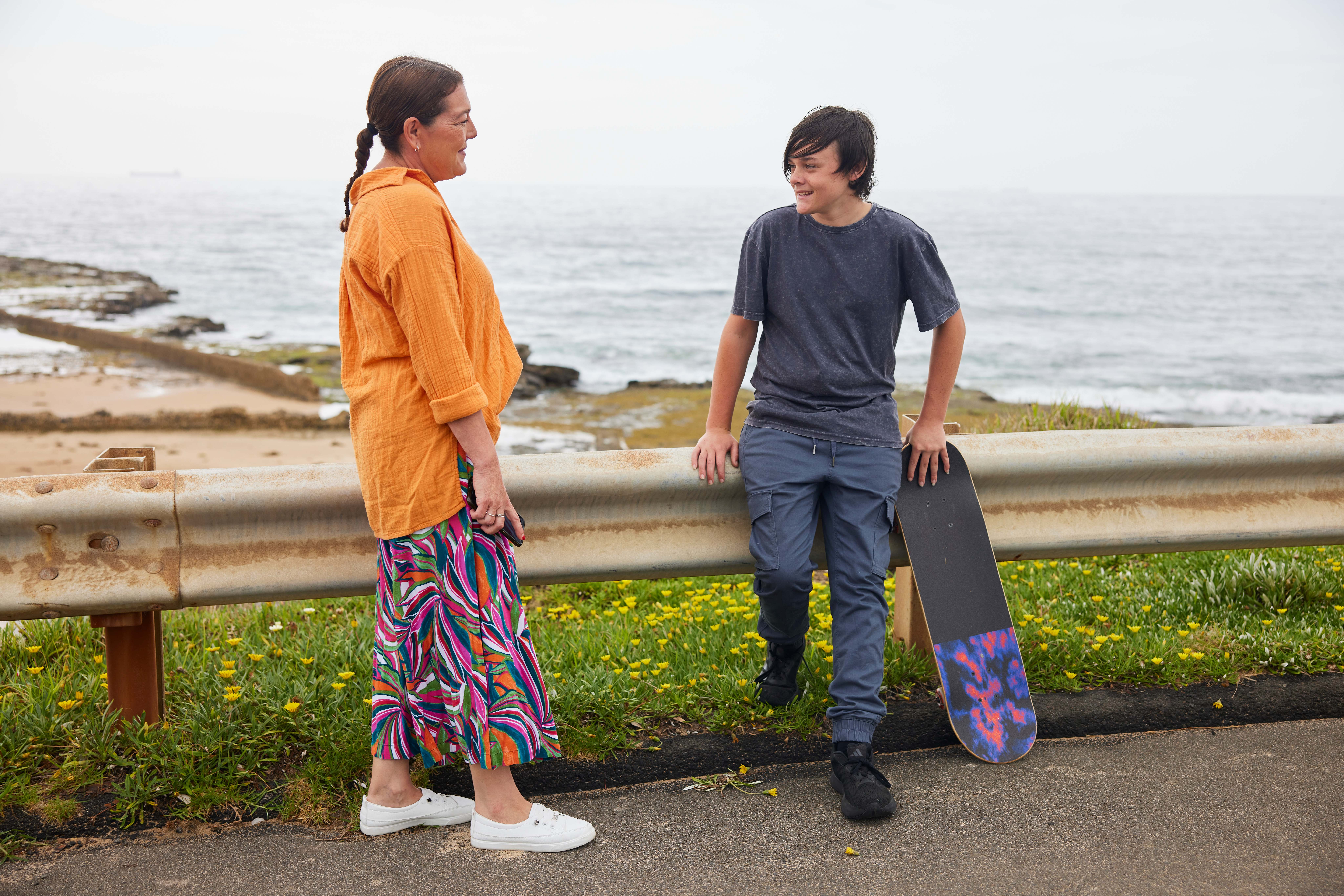
Disability support workers play an integral role in a client’s social and personal development. If you’re a support worker looking to provide social support to a person living with a disability, we’ve compiled five clever and lively ways to encourage their social side.
1. Play board games that require one-on-one communication
Each person living with a disability has unique requirements and differing abilities. If you’re beginning to support a person with intellectual disability, it may take some time for one-on-one communication to build depending on their abilities.
A simple yet clever way to start a rapport with your client is to ask them to play a board game with you. Board games such as Trivial Pursuit orMonopoly, or card games requiring spoken communication and eye contact can be great conversation starters. This activity is also a great option if you’re supporting the client for the very first time because it can create a positive first impression for them and allows them to establish a fun, relaxed memory of you and your time together.
2. Encourage them to join a local art group or sports club
If your client becomes interested in starting a new sport or hobby, take some time to research whether joining a local group or club could be a path worth taking for them.
Being an attentive, valuable support worker means understanding your client’s boundaries and abilities. If you don’t think your client is ready to reach their broader community, it might be best not to suggest this option. Listen to your client to understand what is most suitable for them and consider their parent’s or guardian’s wishes for their loved one.
If your client is keen to get out and about but isn’t sure which activity would suit them, we created a list of benefits of getting involved in the creative arts. Take a look at our list to see whether the creative arts could be the right option for your client.
3. Encourage them to initiate communication in public
Whether it be with a cashier, waiter, or a friendly passerby, if your client struggles to communicate in public places, there are some approaches you can explore. Person-centered active support ensures people living with a disability become involved in social communication whenever the opportunity arises. Providing person-centered active support is as easy as standing behind your client when they pay for items to make them feel at ease and in control. This way, you’re allowing their communication skills to flourish by promoting their independence.
4. Practice social skill-building games
A great way to build your client’s social skills is to initiate one-on-one games focusing on body language, emotions, and responses. Games like emotion charades, where participants take turns picking an emotion and acting it out or drawing it for the opponent to guess work brilliantly for young people living with a disability, as it draws out their creative and social strengths. Creative games like improvisational storytelling or a topic game where participants go through the alphabet naming objects belonging to one topic such as animals or sports can allow your client to broaden their knowledge while building upon their one-on-one social skills.
5. Accompany them to community events
Community events like fairs, markets, performances, and meetups are often completely accessible, free, and encourage social participation. These events can be a great experience to share with clients. Even if clients don’t directly socialise with people around them, they’re still being given the opportunity to connect with the community and familiarise themselves with some local faces.
Feeling inspired to help your others build their social skills and get involved in their community?
Become an independent aged care or disability support worker on Mable and receive access to 170+ free training courses on our learning hub.
In addition there are accredited training courses with government funding available for eligible support workers registered on the Mable platform.