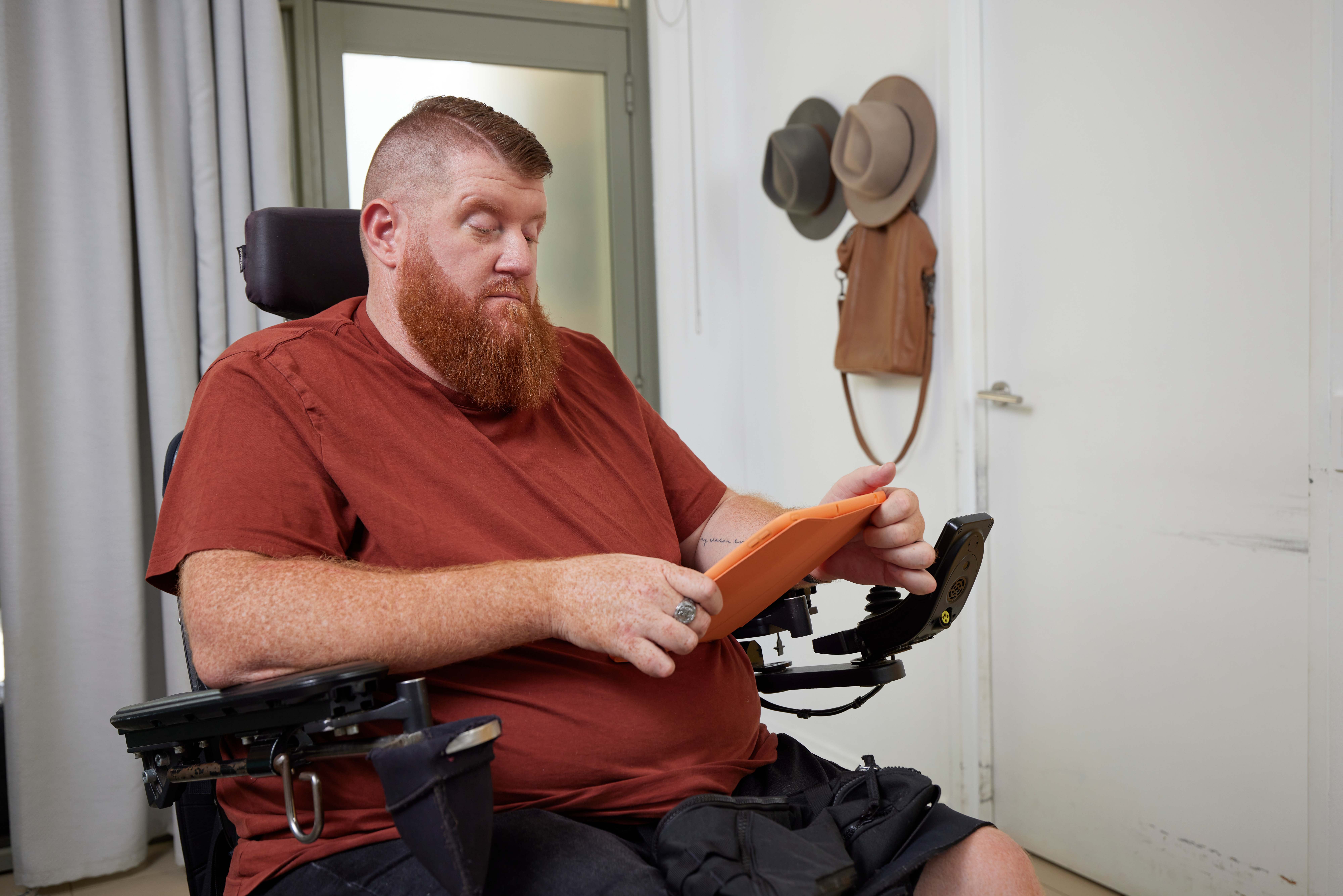
It goes by many names; person-centred care, person-centred practices, and person-centred planning. However you refer to it, there’s lots of talk around the concept in the disability support and aged care sectors. The market follows the pace as policymakers introduce changes to support the practice. Mable is at the forefront of this change, providing people with a practical solution for finding and booking the independent support they need to live their lives. But why is it important for you to be at the centre of your support decisions?
Let’s start at the beginning: what is person-centred care?
It’s hard to pin down one standard definition of person-centred care. This is not because it’s an emerging practice with roots that can be traced back to early approaches to psychotherapy.
Perhaps its flexibility is because:
- Different segments of the healthcare profession approach it differently.
- It looks different for each person, with each approach determined by a patient’s situation.
One common defining principle is a shift in thinking about the care recipient. In person-centred practices, you are no longer a passive recipient but an active participant in making decisions about your healthcare and the support you need to live your life.
Here’s how that might play out in real life:
- It means you should be asked what you want and what matters to you regarding your health and wellbeing.
- Your individuality as a whole person - likes, dislikes, goals, values - is considered when making decisions about your care.
- Your whole life and wider social network are also considered when planning your support needs.
- Your providers and health professionals work with you to listen and adapt to your changing needs.
- You are given the time and information to understand the choices you have about your options.
Why does person-centred care work?
While all this sounds great in theory, what is it about person-centred care that works? According to the University of Canberra, there are many benefits it provides in the context of healthcare:
- Participation encourages people to stick to treatment plans and make lifestyle choices that improve wellbeing.
- It leads to better health outcomes and satisfaction with the services they’re receiving.
- It can significantly reduce a patient’s need to access specialty care or to be hospitalised.
- It has been known to reduce stress and increase empowerment.
For someone with dementia, involving them in day-to-day decisions has been found to reduce agitation. For example, giving them a choice about what they’ll have for dinner rather than just ensuring they eat. For someone with intellectual disability, person-centred planning could involve looking at their workforce participation goals. The plan would include what support they have from a family or school networks, their skills and interests and problem-solving for any potential barriers.
How you can benefit from person-centred care
Government has supported the approach by introducing individualised funding models built around the concept of person-centred care. The NDIS has led the way in the disability sector, with Consumer Directed Care treading a similar path in aged care.
While traditionally, the Government would provide funds to service providers who would provide those services to clients, individualised funding provides participants with a pool of money and empowers them to decide how to use it.
These approaches present challenges for traditional service providers, who must adapt to the demand for more flexible, tailored services. Enter newer models like Mable, an online platform that provides access to independent support workers based in your local area. Mable is built around the concept of individual choice and control. It allows people to choose the kind of support they receive, who will provide it, where and when they receive it and how much they pay. But while using Mable allows you to take control of your support decisions, it doesn’t mean you have to relinquish any additional help you might like in making these decisions. For some people, the best outcomes come from a combination of the ‘old world’ and the ‘new’.
Whether you are receiving funding via a Home Care Package or the NDIS, several options are available. You can work with a provider to create a care plan and find and book independent support workers. Or, you can fly solo and manage it all yourself. True to person-centred care, the choice is yours.