NAIDOC Week 2022: Get up, stand up, show up

Aged CareDisabilitySupport Workers

Last updated

14 July 2022

Reading time

3 min read

Share

NAIDOC Week is a celebration and opportunity to amplify and support the voices of the many nations and communities of Aboriginal and Torres Strait Islander peoples across the country, and to acknowledge that Australia is home to the oldest living First Nations cultures in the world.

As part of our NAIDOC celebrations this year, Mable took some time to pause and reflect on the powerful theme of NAIDOC Week this year, “Get up! Stand up! Show up!”

The theme is in honour of all people who have championed equality, human rights and have driven and led change for First Nations peoples over many generations and to reflect upon how far we have come. 

But there is still a long journey ahead. 
Get up! Stand up! Show up! is also an ongoing call to action for all people, asking them to seek out and engage in genuine acts of support and commitment to continue to secure institutional, structural, collaborative, inclusive and cooperative change and reforms.

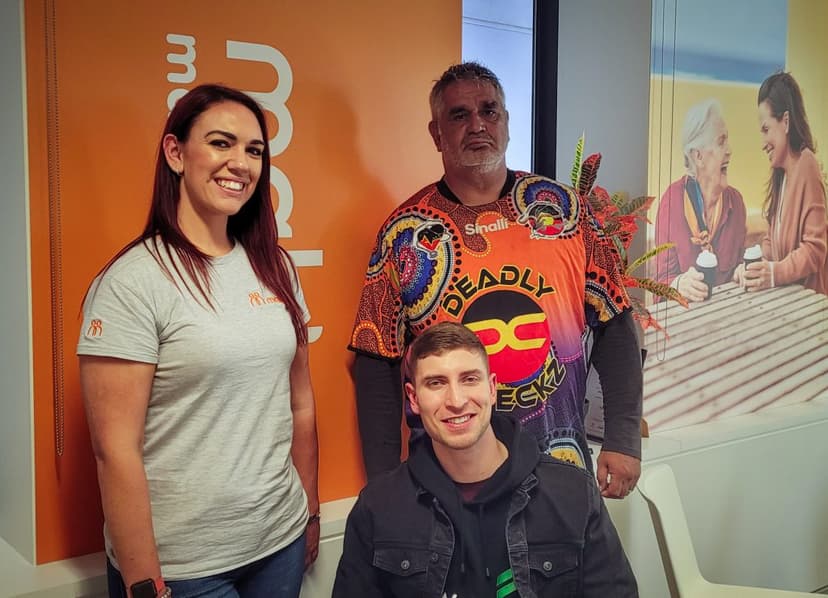
As part of this ongoing call to action during this year’s NAIDOC celebrations and beyond, Mable was fortunate enough to have the opportunity to spend some time with Raymond ‘Bubbly’ Weatherall, a Gomeroi man, land defender and social justice advocate, who provided such a personalised, educational, engaging and informative session on First Nations culture, history, events and so much more.

During our time together in the session, we enjoyed a First Nations-inspired lunch whilst Bubbly skillfully guided both Mable, as an organisation, as well as each person individually, to uncover and understand how we can all come together in support, through authentic and powerful actions, in collaboration with First Nations peoples, to take part in the movement forward of Reconciliation.

Our session was a mixture of lighthearted stories, laughter and joy in uncovering a better understanding of the world’s oldest living cultures and peoples. There was also sadness and silent reflection as we discussed and recounted some of the past 234 years of tragedies, segregation, intergenerational trauma and losses that First Nations peoples have experienced previously, and continue to do so today.

At Mable, we truly believe in our values:

  • All about people
  • Challenge openly
  • Better together
  • Do the right thing, always
  • Create impact

We are grateful to Bubbly for hosting this session for us, providing the opportunity for open dialogue, creating a supportive space for education and historical reflection and guiding us in bettering our understanding and actions. In doing so, we can all continue our mission to move forth together and create a positive and inclusive society where everyone belongs.

Written by Nicole White, proud First Nations woman and NSW Community Engagement Manager at Mable.


You might be interested in

Support worker dries dishes while talking to a client in a wheelchair.
Preventing everyday harm in support work
As a support worker, you want your clients to feel safe, respected and supported. You may already think carefully about how to provide safe support and prevent serious incidents. But harm is not always obvious. Sometimes, small everyday actions, words or assumptions can affect a client in ways you may not have intended or noticed at the time. This is sometimes referred to as everyday harm. Over time, these small moments can build up and may affect how respected, heard, in control or safe your client feels. The newly launched Everyday Harm website brings together practical resources to help support workers and organisations build safer, more respectful support relationships. These resources were developed through Australian Research Council studies, including interviews with people with disability about their experiences. Mable was proud to be involved in this project as an Industry and Community Partner organisation. We hope these resources help you better understand everyday harm
jenny-conor-device-600x450px_xa0fvc
Manage your care with the new Mable app for clients
The Mable: Find Support app is new and designed to make managing your support easier. It has a simplified design so everything you need is one place. In this article, we share what’s new in the app and how these updates can help you organise your support more easily. What’s new in the Mable: Find Support app? The new app features a new navigation menu that groups key features together, making it easier to find what you need. You can easily move between the four main areas: Home : View upcoming support sessions, updates, and quickly manage changes. My Support: Find everything related to your ongoing support here, including your current support workers, support hours and more. Find Support: An easier way to quickly post a job, search for support workers and more. Messages: Chat, video call or voice call with support workers. A simpler way to stay on top of your support Our new app gives you a more streamlined support experience, so you can spend less time looking for what you need
NDIS reforms announced: What we know so far
We know recent news about NDIS reforms might feel heavy. For many of you, your participants, and your loved ones, hearing about potential service caps or changes to funding for social and community participation is deeply stressful. We want to start by saying: we hear you, and we are here for you. Our commitment to you remains unchanged While the government works through these changes, we want you to know Mable's business model is not changing. Our platform continues to be a place where you can find and book independent support workers who best meet your needs or those of your clients. While we may make a few small technical updates behind the scenes, your ability to use Mable remains exactly as it is today. We're your partner and advocate During this transition, we're dedicated to supporting safe, transparent connections. We are actively advocating for person-centred approaches to care that respect your choice and control, and we'll keep helping our community understand what these r