It takes confidence in your abilities and what you’ve got to offer to go from employment to running your own business, like the independent support workers on Mable.
Many who have done so have never looked back because the flexibility and financial reward make it all worthwhile.
This message was the key takeaway shared at Mable’s inaugural Independent Support Worker Summit, held in Melbourne at the State Library Victoria and streamed live on Saturday, 20 May.
Close to 400 people attended, to learn from guest speakers that included support workers, industry specialists in dementia and autism, a Mable client who spoke first-hand about what they need and want from support workers, a small business expert and Mable’s Chief Product Officer who went through the functions and features of the platform.
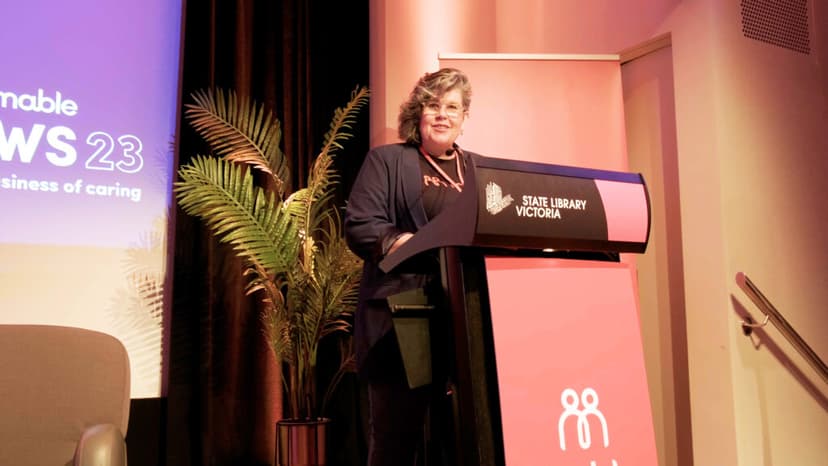
One of the key highlights was an engaging conversation between Big Brother Royalty and Mable support worker, Tim Dormer, and double amputee and professional golfer Mike Rolls.
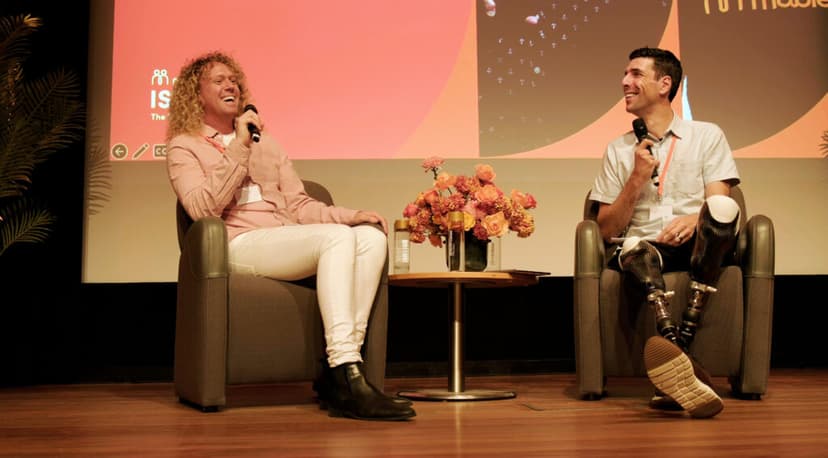
The Summit provided the chance to connect with people who were interested in becoming independent support workers to give them the inspiration and information they needed to make the leap into support work. Existing support workers benefited from hearing what was new on the platform, getting insider tips about best practices, and having the opportunity to network with their peers.
There were so many highlights throughout the day, with 94 per cent of people rating the event as excellent.
Support Workers Ruby, Gwen and David shared their experiences starting and growing their businesses as support workers on Mable.
Ruby shared the importance of having a clear agreement that stipulates terms around cancellations and ending an agreement. In addition, Ruby shared her experiences working with clients who were around a similar age to herself so they could connect over a shared love of experiencing social activities and shopping.
David shared the need to be clear about what services will be performed as part of the agreement and not to let these slip as you become familiar with clients. It’s essential, he said, to set professional boundaries from the get-go. If you want to take on more responsibility for the client, David said, it’s best to revisit the terms of the agreement and renegotiate so everyone is covered and understands what the output will be.
Gwen shared her experience of knowing who she does and doesn’t prefer to work with. She said it’s essential that when taking on new clients, you be honest and, rather than taking on every available job, only apply for the ones you know you can and want to do.
After morning tea, Mable’s Chief Product Officer Jay Nawaz took the audience through a platform demonstration highlighting key features and functionality of Mable that assist in the seamless running of small businesses.
Jay was followed by small business specialist David Rankin who shared advice on setting up a person’s business from the get-go with tax and superannuation in mind. He suggested having a separate business account that the required tax amount is put into every time an invoice is paid to ensure support workers aren’t stung at the end of the financial year looking for money to cover a tax bill.
After lunch, attendees heard from Pieta Manning, Mable’s client, who uses the platform to manage her mother's and daughter's support needs.
Pieta had people enthralled with every word as she shared what she looks for in a support worker for her daughter versus her mother.
Some tips Pieta shared were to be honest yet get to the point in the support worker profile. For example, she doesn’t want to know that the person cares. That should go without saying. Instead, she wants to know who the support worker is at their core, their personality style, and what makes them tick. These will be the critical factors in whether someone is a good fit for her daughter or mother.
Also, in this session, guest speaker from Dementia Australia, Garrie O’Toole, spoke through the different types of dementia and stages of the disease, giving the audience a good foundation of what to look for when managing older clients who may be starting to experience the early signs of dementia.
After Garrie was Shannan Lea from Autism on the Inside, who had the crowd in tears when she shared the story of her son being bullied at school. Shannan said support workers are real-life superheroes who can make real and everlasting impacts in the lives of people with autism by working with clients to help them achieve their goals through everyday activities that help to bring joy and laughter to their lives. A little laughter goes a long way!
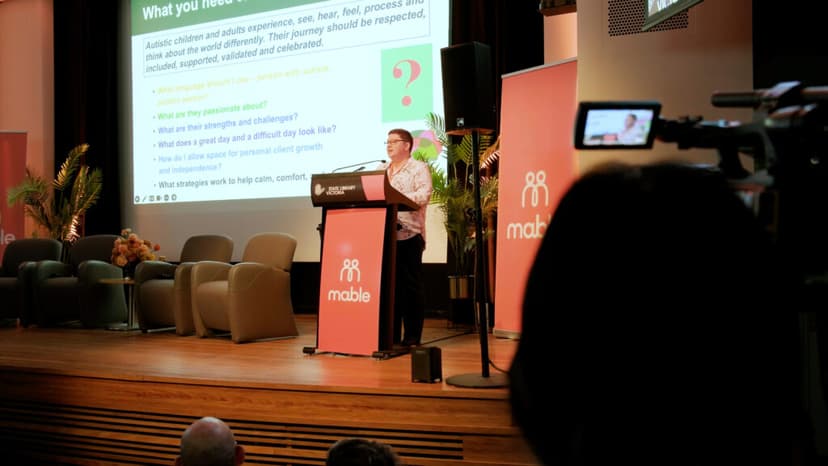
The last session of the day was the in-conversation style discussion between Tim and Mike about the importance of support work and for support workers to be in tune and considerate of the needs, desires and goals of the people they are supporting.
Tim is a support worker on Mable and shared his journey when post-fame from his stint on reality TV, he was looking for more meaning out of his work life and transitioned into working as a disability support worker.
As a double-amputee, Mike shared his experience as a young, fit and healthy 18-year-old, having his whole world turned upside down by Meningococcal disease.
The feedback from attendees was that there was incredible benefit garnered from attending the Summit, and they would welcome the opportunity to attend this as an annual event. So this is definitely something we are factoring into our 2024 plans.
If you missed attending it, you can now watch the Independent Support Worker Summit highlights here.