
In this guide:
Quality of life with Cerebral Palsy (CP) isn’t just about mobility aids or therapy sessions. It’s about feeling connected, having choices and living with dignity at any age.
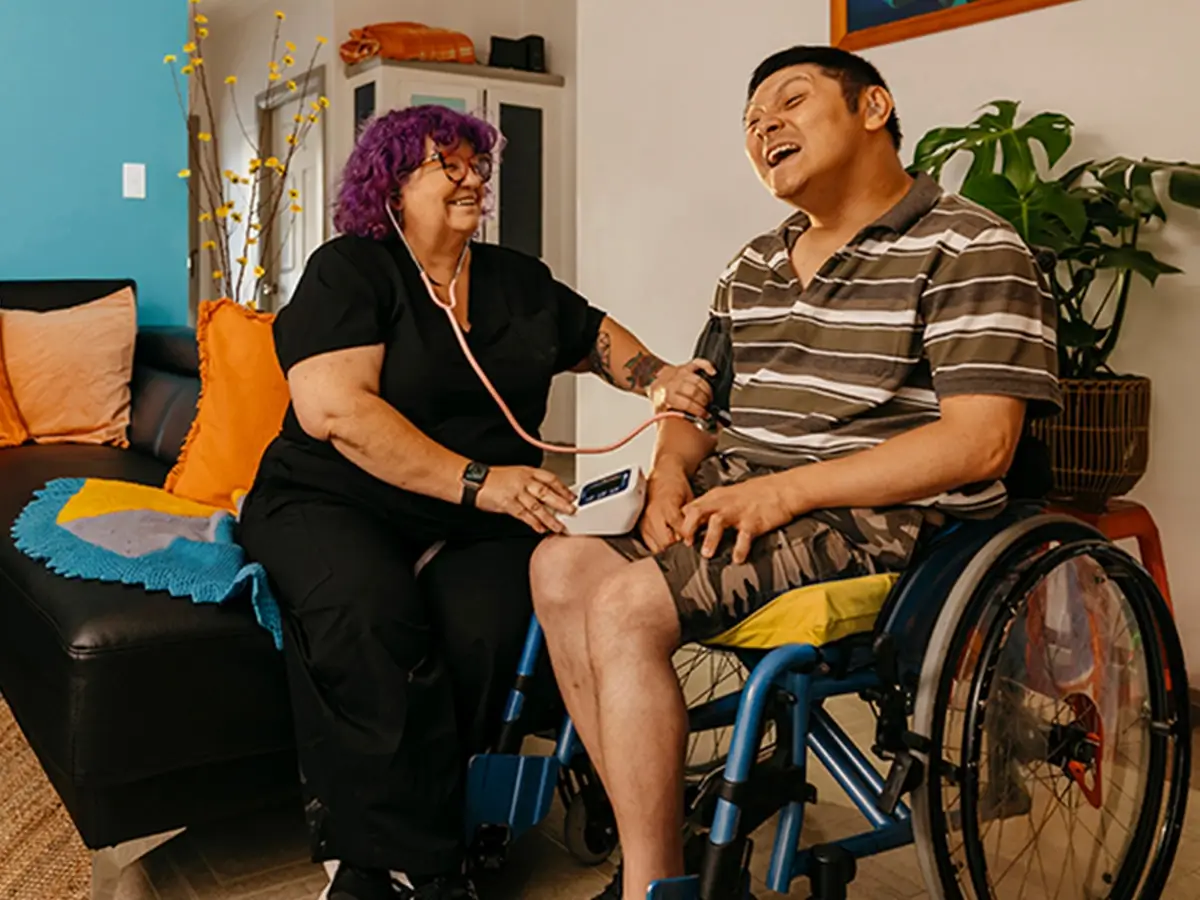
In this guide, we outline some of the ways to make a positive difference to everyday life with cerebral palsy and how independent support workers on Mable can play a vital role in helping people with cerebral palsy thrive.
Improving quality of life with cerebral palsy
- Quality of life goes beyond physical health. It includes independence, emotional wellbeing, personal choice and a sense of connection.
- Routine and consistency create calm and confidence. Daily routines and meaningful activities support both mental and physical health.
- Social connection matters. Community participation and social interaction help reduce isolation and build self-esteem.
- Support workers are key allies. They assist with practical tasks, provide emotional support and foster long-term autonomy.
- NDIS funding can support lifestyle goals. Funding could include daily living, transport and participation in social or community life.
What does quality of life mean for people with cerebral palsy?
At its core, quality of life means the freedom to live in a way that feels satisfying and fulfilling. For someone with cerebral palsy that might include managing pain and/or feeling safe, supported and happy.
Quality of life is also about having autonomy and control over decisions, no matter how small.
From choosing what to wear and deciding what to eat, to picking which music plays in the background during a support session, daily choices matter.
What improves quality of life in people with cerebral palsy?
Improving quality of life for people with cerebral palsy involves more than treating physical symptoms. It’s about listening to a person’s goals, helping to enable a fulfilling lifestyle, creating community inclusion and nurturing meaningful independence.
Cerebral palsy quality of life can include:
- Physical comfort
- Safe mobility
- Emotional resilience and confidence
- Routine and a sense of daily accomplishment
- Social participation
- Effective pain management.
Let’s explore how these elements can come to life with tailored support and for each stage of development.
Physical comfort and everyday mobility
Everyone deserves to move through their day with ease. For people with CP, this often means tailored support for mobility and comfort, from posture support to personal care, physical therapy and help with transport.
Mobility aids, seating supports and home modifications can reduce physical strain and build confidence. Encouragement, gentle movement and protecting dignity in daily care routines is equally important.
How support workers can help
A support worker can help establish and maintain effective routines, such as:
- Assisting with safe transfers and posture
- Encouraging gentle stretching or guided movement
- Supporting personal care tasks like dressing and toileting
- Reinforcing physiotherapy exercises (as guided by a qualified therapist).
Mental and emotional wellbeing
Living with cerebral palsy can be emotionally tough, from managing fatigue to navigating social situations.
Emotional wellbeing is just as important as physical comfort. Stress, anxiety and isolation can chip away at self-confidence so consistent routines, creative outlets and trusted companions can make a world of difference.
Practical strategies for mental wellbeing
The importance of mental wellbeing can’t be understated. Some practical strategies for mental wellbeing include:
- Establish regular routines for predictability
- Include creative or calming activities like art or mindfulness
- Celebrate small wins.
How support workers can help
A skilled support worker can be a key partner in providing vital companionship and maintaining physical comfort.
They can help to provide companionship and emotional support, encourage positive habits like journaling or nature walks and use visual supports or relaxation tools to create calm.
Building meaningful daily routines
There’s comfort in the familiar and daily routines bring stability and purpose. From brushing teeth in the morning to winding down with a favourite show at night, routines are key to managing time, building independence and creating flow in the day.
Examples of daily routines
- Morning prep, grooming and breakfast
- Afternoon hobby or light work
- Evening wind-down or social check-in.
How support workers can help
- Help plan and prioritise daily goals
- Break down tasks into easy-to-follow steps
- Reinforce habits with praise and prompts.
Social connection and participation
Inclusion helps build relationships, encourages confidence and significantly improves quality of life.
Whether it’s joining a book club, going to the footy or grabbing a coffee with mates, participation fuels connection.
Inclusive activities to encourage social engagement
- Local arts or sports groups
- Community events and markets
- Volunteering or part-time work.
How support workers can help
- Offer transport to social outings
- Build confidence in new settings
- Help identify accessible and welcoming activities.
Effective pain management
Chronic pain can be a hidden struggle for many people with cerebral palsy. It may come from muscle tightness, joint strain or postural challenges and it can affect everything from mood to sleep. Proactive pain management is vital to improve comfort and allow people to participate more fully in everyday life.
In order to provide pain management on Mable, independent support workers need to have the relevant qualifications.
Practical strategies for pain relief
- Gentle stretching
- Regular physiotherapy
- Use of mobility aids or orthotics to reduce strain
- Pain tracking tools to monitor patterns and triggers.
How support workers can help
- Assist with movement and daily stretches
- Help apply heat packs or comfort aids recommended by therapists
- Work with your medical team to track pain levels and develop strategies.
Supporting independence, autonomy and wellbeing at all ages
Cerebral palsy independent living means different things at different life stages. It could be a child learning to dress independently and a teen managing their own schedule. For an adult, it could be more wide-ranging, including choosing when and how to engage with a support team.
For any adult with cerebral palsy, independent living is a lifelong process of building skills, confidence and control.
Whether you’re a person with cerebral palsy, a parent, or a support coordinator, an independent support worker on Mable can offer support to enhance cerebral palsy quality of life and promote inclusive living.
Cerebral palsy in early childhood and adolescence
The early years are all about exploration and learning. For children with cerebral palsy, building routines, forming friendships and mastering motor skills can help to lay the foundation for lifelong independence.
How Mable can support this stage
- Families can connect with support workers who understand childhood routines, developmental milestones and the importance of play-based learning.
- Support workers can assist with school drop-offs, morning and afternoon transitions and structured activities that reinforce therapy goals.
- They can also facilitate therapeutic play and socialising with peers, helping children with CP to feel more confident in social settings and allowing them to form early connections.
Cerebral palsy in young adulthood
Young adulthood often brings a shift toward independence, identity and future planning. It’s a time to explore education, employment, relationships and personal growth, which can be more achievable with the right support.
This stage is key to shaping a fulfilling cerebral palsy lifestyle driven by autonomy, choice and access to the right support workers.
How Mable can support this stage
- Individuals can use Mable to find therapeutic support for skill-building, such as learning to cook, travel independently, manage money or prepare for work.
- Through Mable’s Home and Living Consultancy, young adults can explore housing options that support autonomy while still offering flexible care.
- Workers can also provide guidance with goal setting, life admin or social engagement, whether it’s attending a course, volunteering or joining a club.
Cerebral palsy in adulthood and later life
As the body changes with age, so do the support needs of someone with CP. For adults and older individuals, maintaining comfort, avoiding isolation and managing fatigue or pain are essential to wellbeing.
How Mable can support this stage
- Mable can connect people with support workers who offer ongoing personal care, nursing care, transport and domestic assistance to make day-to-day life easier.
- You can also find workers who provide companionship, understand age-related changes and offer practical support with dignity and respect.
- Mable’s platform allows continuity of care across time. Whether you’re adjusting to retirement, managing new health conditions or simply want help maintaining a familiar routine, Mable can help.
How to access support services for cerebral palsy on Mable
Everyone’s needs are different but finding the right support doesn’t have to be complicated.
Through Mable’s platform, people living with cerebral palsy can connect with independent support workers who help manage daily routines, emotional wellbeing and community participation.
Whether you’re looking for everyday help at home, a companion for social outings or someone to reinforce therapy goals, Mable makes it easier to personalise your support, on your terms.
Many of these services may be eligible for NDIS funding under categories like Core Supports, Improved Daily Living, and Social & Community Participation.
Support services available through Mable
- Help with daily living. Support workers can assist with everyday tasks like personal care, showering, dressing, meal preparation, cleaning and shopping. This helps make independent living with cerebral palsy more achievable.
- Non-medical emotional support. A trusted companion can make a world of difference. Whether it’s a friendly chat, creative activity or mindful moment, support workers can help nurture emotional wellbeing and reduce isolation.
- Support for hobbies and social life. Staying connected matters. Workers can accompany you to events, classes or outings – encouraging social inclusion for people with cerebral palsy.
- Professional allied health services. Need a physiotherapist, occupational therapist or psychologist? Mable also connects users with qualified professionals to support therapy goals and improved daily living.
Learn more about the services you can find on Mable.
Resources to support a better quality of life with cerebral palsy
These trusted Australian resources can help you explore inclusive options and stay connected to the cerebral palsy community.
- Cerebral Palsy Alliance
- CPActive – Advocacy and inclusion network
- Access All Abilities (aaaPlay) – Supported inclusive sport and recreation opportunities
Frequently asked questions
How can cerebral palsy impact someone's quality of life?
Cerebral palsy can affect movement, communication, social opportunities and mental wellbeing. With the right support, people with cerebral palsy can live rich, independent lives.
How can I support a loved one with CP in their daily life?
Focus on routine, emotional support and activities that build confidence and independence.
Learn more navigating activities of daily living with cerebral palsy.
What activities can help with wellbeing in CP?
Recreational activities, community participation and creative hobbies can all enhance wellbeing.
Learn more about inclusive games and leisure activities for people with cerebral palsy.
Can someone with cerebral palsy live independently?
Yes. With the right tools, support and environment, many people with cerebral palsy lead independent and fulfilling lives.
How can cerebral palsy impact communication skills?
Some individuals may use AAC devices or need support to express themselves. Creating communication techniques is possible with the right strategies.
How can cerebral palsy affect a person's social life?
Challenges with mobility or communication can make socialising harder, so inclusive environments and thoughtful support make all the difference.
The information provided in this article is general information only and based on current information at the date of publication. In addition to considering the information shared in this article, Mable encourages you to conduct your own research and seek independent medical advice relative to your circumstances. If you wish to use your NDIS funding on any of the services outlined above, Mable recommends that you check your NDIS Support Plan or speak with your Plan Manager to ensure that the appropriate services are coverable.