
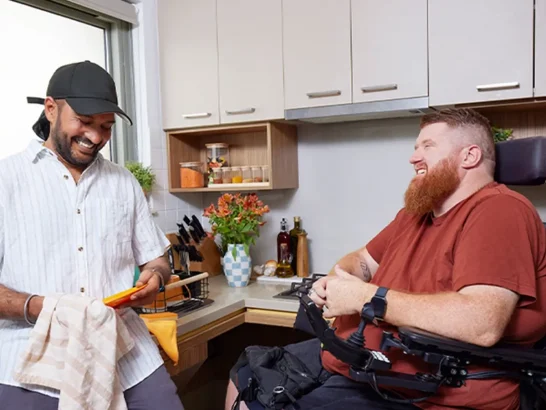
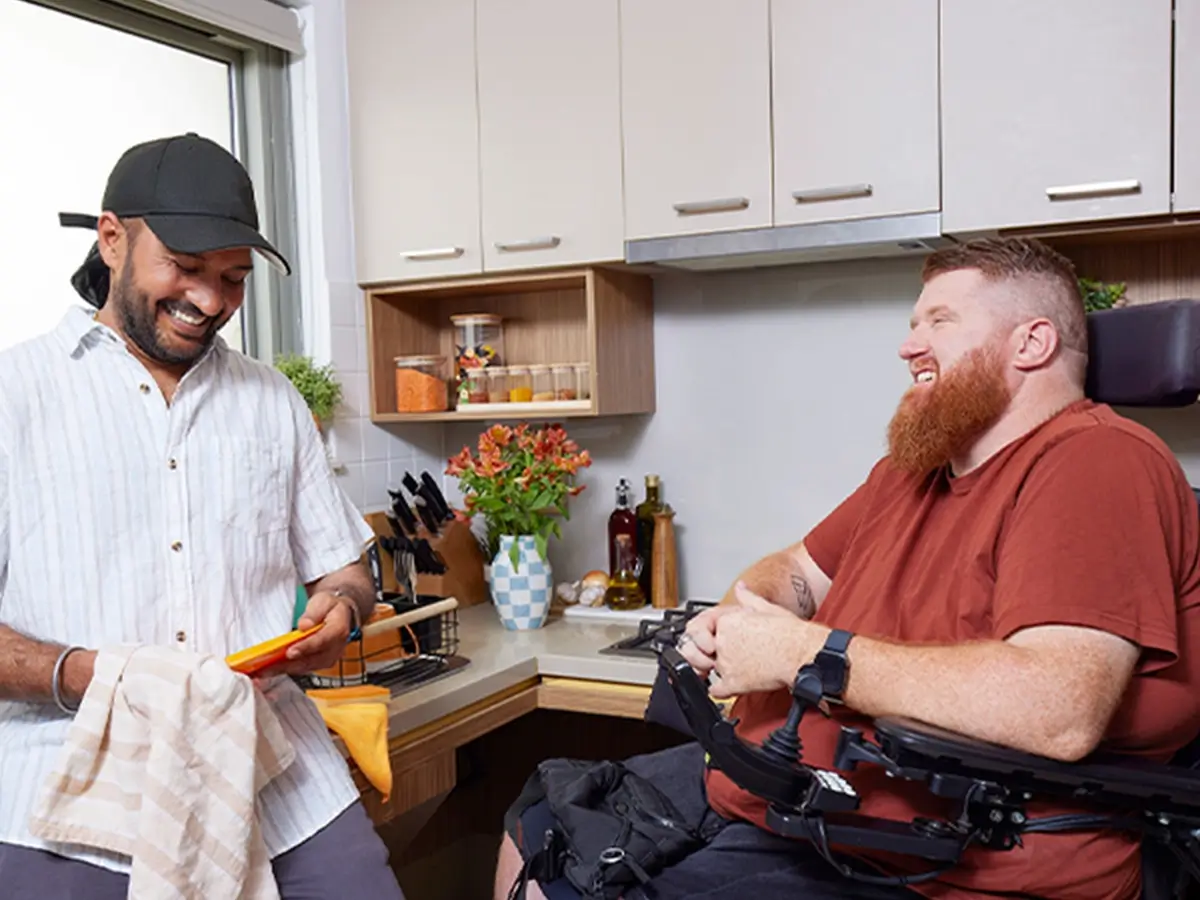
Living independently is an exciting step and finding the right housemates is an important part of this. Great housemates may help you create a happy home where you feel safe and understood. They don’t provide professional support like an independent support worker would, but they may be able to help you and provide companionship.
Sharing a home with housemates is just one way to create an individualised living arrangement – this could be living with a housemate who does not have a disability or who does not have significant support needs.
If you or a loved one is ready to share a home, this article is for you. It has insights from Resourcing Inclusive Communities (RIC) about finding housemates who fit your life and can help you meet your goals. RIC is a fantastic capacity building initiative of Family Advocacy in NSW that supports people with disability to live independently and stay connected to their community. They are different from an NDIS provider so you don’t have to use your NDIS Plan to use their services.
Visit RIC’s website to learn more or connect with their team.
What living with housemates means
A big part of independent living is creating a home you love. This might mean sharing it with housemates – people you can spend time with when you want to, and who can help you with things like cooking or shopping. They could also talk to you or check in with you if they notice you’re feeling stressed about something.
Choosing housemates can feel like a big decision, but there are some things you can do to make sure you find the right match.
Tips for finding the right housemates for you
1. Understand it takes time
Finding the right housemate for your individualised living arrangement doesn’t always happen quickly. It could take months, plus time for your new housemate to move in. As you search, you might want to think about having a backup option, such as NDIS funding for extra support.
2. Get comfortable with the idea that you can live independently with the right support
Living with other housemates is a big step. That’s why it’s important for everyone to feel comfortable with the decision. It might take time to really feel comfortable that you can share your home with people other than your family.
Sometimes hearing from others who have done the same thing can help the idea feel more real and show you what’s possible. That’s why Resourcing Inclusive Communities hosted a webinar to share real-life stories. They also have many stories on their website.
3. Think about your housemate's role
Your housemate’s role is different from your family or a paid support worker. They are there to share a home and life with you in a way you all agree on.
This is why it’s good to be clear about:
- The type of person you’d like to live with – it might be someone funny and outgoing, or someone quiet and calm.
- The role you want them to play in your daily life. This could be:
- Companionship (sharing time at home together)
- Homemaking (helping to maintain the home; gardening or sharing a meal)
- Light help (like reminding you about appointments or shopping together)
- Overnight presence for peace of mind (being home most nights, with planned time away).
Once you know what you want, you can write a ‘housemate profile’. You can use this in the next step – finding housemates.
4. Look for your housemate
Create an ad for your housemate. Resourcing Inclusive Communities guide has a helpful example on page 18. Here are some tips:
- Try to make your ad interesting and honest
- Talk about what you enjoy
- Describe the type of person who might fit well
- Mention things like rent reduction or other benefits in exchange for help at home
- Include how you want people to first contact you – email or phone.
When your ad is ready, it’s time to look for the right person. Sometimes the best housemate is someone who might already be in your networks like a friend of a friend or someone in a community group. You can also put the ad on platforms like Flatmates.com, Flatmate Finders, or local Facebook groups.
5. Meeting potential housemates and staying safe
You might get lots of responses, so it’s okay to take your time to go through them. Just say no if it doesn’t feel right.
It might help to have questions ready to ask people when they respond to learn more about them. You could ask about their lifestyle, work hours, hobbies, and why they want to be your housemate.
If someone looks like a good match, you can arrange to meet them in a public place such as a café or park. Here are some tips:
- Get the applicant’s full name and contact details before you meet them.
- Don’t give out your address or personal details before you have met the person – you can talk about the area you live in.
- Think about what personal information you want to share and don’t need to share.
It’s a good idea to bring a trusted person with you, like a family member, friend, or support person. This may be helpful for safety and to find out what they think about the person.
6. Do safety checks
Do background checks to check if the person is trustworthy and has a good character. They could be:
- Informal: Looking at their social media or speaking to friends you have in common
- Formal: A police check, NDIS Worker Screening (including checking the NDIS banned worker list), and reference checks (rental, work, and character)
At least one of the references should be from someone who isn’t a friend or family member of that person. It can feel awkward asking for this, but it’s a normal part of the share house rental process. Your potential housemate may want to check your references too, and that’s okay.
7. Show them your home
If the background checks are good and the person still seems like a great match, you can ask them to come over to see the house. Show them the bedroom they’d have, shared spaces like the kitchen, lounge and garden, and go over things like parking.
This is a good time to talk about what you’d like the living situation to be like. You could tell them that you have support workers who visit or that the rent is reduced for their help.
Again, bring along a trusted friend or family member for safety and a second opinion.
8. Suggest a trial and then make a written agreement
Before making a decision, try a trial like a weekend stay or spending more time together. This can give you a good idea of what living together is really like.
After that, if you both want to go ahead, write down what you agreed to, like:
- Roles and responsibilities
- Length of the rental agreement and how you will review it
- House rules
- Privacy
- Visitors
- Rent
- Shared costs
- What happens if the arrangement doesn’t work out.
9. Keep communicating
Good communication is important for successful shared living. Try setting up group chat, like WhatsApp, with your housemate, your family and your support team so they can offer extra support if you need it.
Remember that getting used to your new housemate takes time and may not always go smoothly. You may need to have a conversation about something that’s not working. If you feel confident to do this on your own, try to be honest and calm. Try to understand your housemate’s side too. If you need help expressing yourself, it can be helpful to ask someone you trust to help you.
How Mable can help
This article uses tips from Resourcing Inclusive Communities Guide and webinar on how to start your search for a housemate.
Things can take time, so if you feel a little unsure about it, talking to a Mable Home and Living Consultant can make a big difference.
We take the time to focus on what you need:
- We check everything with you first: Before we suggest a housemate plan, our consultants will spend time looking at your needs and your NDIS Plan. This may help you decide if this is the right choice for you.
- Your safety matters: We can discuss general considerations around shared living and may refer you to other organisations that can provide additional guidance or support over time.
- Information sharing: We can provide general information about paperwork you may want to consider, such as written agreements or insurance, but this is not legal or financial advice.
We are also a member of HANZA, which is the peak body for homeshare organisations in Australia and New Zealand. They have a lot of experience in this area and provide advice and support.
Our consultants have many years of experience supporting people with disability to find their ideal housemate. Whether you want support working out what a good housemate looks like, creating an interesting housemate ad, or speaking about safety checks, they’d love to help.
The information in this article is general in nature and is not legal, financial, clinical or professional advice. Any examples or suggestions are provided to help you think about your options and should not be relied on as a substitute for independent guidance. Independent support workers on Mable are self-employed contractors, not employees of Mable. If you are making decisions about your living arrangements, agreements, safety checks or NDIS funding, you should seek advice from qualified professionals or refer to official government resources.