

In this guide:
Living with Multiple Sclerosis (MS) means daily life can be unpredictable. Fatigue, mobility issues and heat sensitivity are just some symptoms that may affect your everyday activities, including exercise.
The good news is research shows that regular physical activity supports symptom management, boosts mental wellbeing and promotes independence for people living with MS. The key to achieving these outcomes is a personalised approach, paired with the right support.
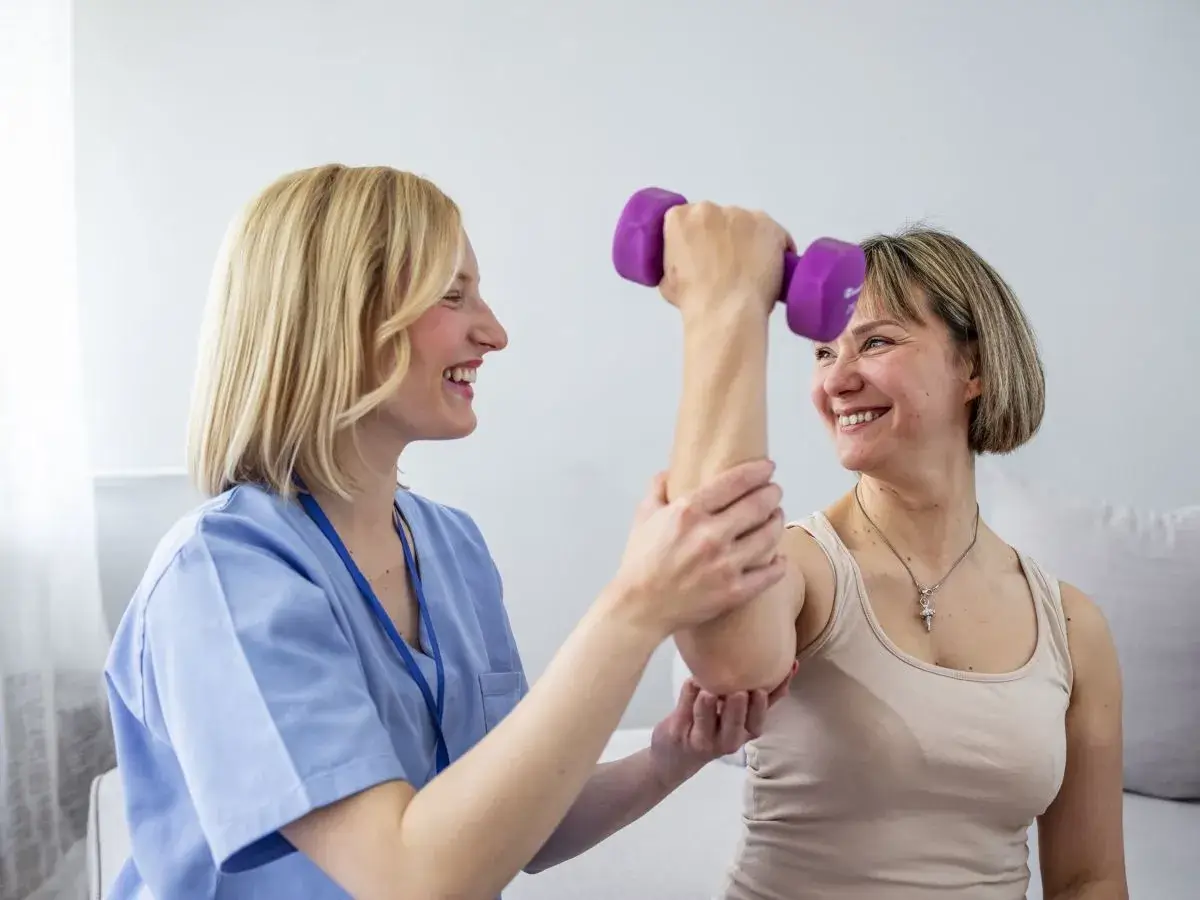
Support workers play an essential role in helping individuals with MS safely start and maintain an exercise routine. When exercises are adapted to a person’s energy levels, mobility and goals and with guidance and encouragement, movement can start to feel more manageable and even empowering.
Key insights on exercise and physical activity for multiple sclerosis
- Exercise can help to alleviate MS symptoms. Regular physical activity helps manage fatigue, improve mobility and boost mood.
- For the best outcomes, tailor exercise to your energy, mobility and comfort levels.
- Support workers play a key role in exercise routines. They can help with planning, encouragement and supervision during physical activity.
- Funding may be available for therapeutic supports, transport and assistive activities sourced through Mable’s network of independent support workers.
Can exercise help multiple sclerosis?
Yes, exercise is good for multiple sclerosis. Research shows that physical activity can reduce symptoms and improve overall quality of life for people with MS. Benefits vary depending on the type of exercise and can include improved strength, balance, energy and mood.
The key is finding the appropriate support so you can maintain a consistent exercise schedule.
The benefits of exercising to help manage MS symptoms
Improved mobility and balance
Reduced fatigue
Gentle movement can boost energy over time by improving circulation, supporting better sleep and maintaining muscle function.
Enhanced functional and cognitive abilities
Staying active supports both physical function and brain health, helping with memory, concentration and problem-solving.
Better bladder and bowel control
Core strengthening and physical activity can help support pelvic floor function, which aids in better bladder control and bowel regularity.
Mood and wellbeing
Physical activity increases endorphins and helps reduce anxiety, stress and low mood. For more on this topic, see our guide on the importance of mental wellbeing.
Improved cardiovascular health
Aerobic activity supports heart health and stamina, which can improve endurance for daily activities.
Reduced spasticity
Increased social interaction
Group classes, water aerobics or joining a walking group with a support worker can make exercising more fun.
What do we feel are the best exercises for multiple sclerosis patients?
The best multiple sclerosis exercises are ones that are low-impact, adaptable and matched to your ability.
Regardless of what you choose, make sure you always consult with a medical or allied health professional before beginning a new exercise routine.
Stretching and flexibility exercises
- Gentle stretching keeps muscles limber and supports joint health.
- Yoga can promote flexibility and reduce tension.
Strength training
- Resistance bands and light weights can build muscle without overexertion.
- Bodyweight exercises like wall push-ups or squats help maintain function.
Balance and coordination activities
- Simple drills like standing on one leg or heel-to-toe walking improve stability.
- Tai Chi enhances posture, flow and awareness.
Aerobic exercises
- Walking, swimming or using a stationary bike supports cardiovascular fitness.
- Dancing or water aerobics offer a fun and low-impact alternative.
Common concerns about physical activity with multiple sclerosis
Fatigue
Plan exercises during times of peak energy, often mornings. Include breaks and don’t push through exhaustion.
Heat sensitivity
Drink plenty of water and stay cool with fans, air conditioning or cooling garments to help with heat sensitivity.
Fear of symptom flare-ups
Mobility limitations
Try chair-based or water-based exercises, which reduce impact and strain.
Need help finding the right allied health professional? Through Mable, you can connect with independent therapeutic support workers who offer experience in multiple sclerosis care, including in-home services.
How support workers facilitate exercise for multiple sclerosis
Support workers on the Mable platform can help to make exercise more accessible and consistent.
Developing personalised exercise plans
Support workers can collaborate with your physiotherapist or occupational therapist to reinforce your routine and tailor daily activities to support therapy goals. Learn more about support services on Mable.
Providing motivation and encouragement
Ensuring safety during exercises
Assisting with transportation
Transport can be a barrier for many people with MS. Support workers can help with transportation support to and from exercise sessions, classes or therapy appointments.
Learn more about the NDIS funding categories that support transport and physical activity.
Monitoring progress
Tips for incorporating physical activity for MS into daily life
Staying active with multiple sclerosis doesn’t have to mean long gym sessions or intense workouts. The key is consistency, creativity and choosing activities that fit your lifestyle and energy levels.
- Set realistic goals. Start small and focus on what feels achievable. Small wins can build momentum and keep you motivated. Perhaps it starts with a five-minute morning stretch or a short walk after lunch.
- Integrate activity into your routine. Exercise doesn’t have to be done in a formal class or session. Try stretching while watching TV, doing light housework to music or taking short walks during breaks.
- Use reminders to build consistency. Stay on track with gentle alarms, habit-tracking apps or even post-it notes on the fridge! Building exercise into your routine will make it easier to follow through.
- Seek social support. Exercising with a support worker, friend or peer group increases motivation and accountability. Group classes, whether online or in person, can boost morale and increase social and community participation.
- Listen to your body. Everyone’s energy levels are different. Rest when needed, adjust your routine during flare-ups and talk to your therapist or support worker about pacing techniques to avoid overexertion.
Frequently asked questions
How can multiple sclerosis affect exercise and physical activity long-term?
MS symptoms such as fatigue, muscle weakness, spasticity and balance issues are known to make sustained physical activity more challenging over time. That's why it's important to have flexible, personalised exercise plans that adapt to your needs and include support when needed.
Learn more about living well with multiple sclerosis.
Can exercise improve walking ability in people with multiple sclerosis?
Yes, targeted exercises can help strengthen leg muscles, improve coordination and enhance gait patterns. A support worker or therapist can help you choose the right exercises based on your goals.
How often should someone with multiple sclerosis exercise?
The general recommendation is to aim for some form of physical activity two to three sessions per week. You should always consult your healthcare team to determine what frequency is right for you and what exercise is best suited to your body and circumstances.
How to start exercising if I've never done it before and have multiple sclerosis?
Consult with a physiotherapist who understands MS before getting started.
Can exercise worsen multiple sclerosis symptoms?
It is important to consult a healthcare professional before getting started with exercise.
When done correctly, exercise is generally safe and beneficial for people with MS. However, pushing too hard or exercising in hot conditions might lead to symptom flare-ups. Use cooling strategies, rest regularly and always listen to your body.
The information provided in this article is general information only and based on current information at the date of publication. In addition to considering the information shared in this article, Mable encourages you to conduct your own research and seek independent medical advice relative to your circumstances. If you wish to use your NDIS funding on any of the services outlined above, Mable recommends that you check your NDIS Support Plan or speak with your Plan Manager to ensure that the appropriate services are coverable.