
Navigating puberty can be a challenging time for parents and carers. Physical changes, big emotions and new social expectations can feel confusing or overwhelming for both children and their families, but it is an important and very normal part of growing up.
A helpful resource for parents and carers to use during this time is Planet Puberty, an evidence-based resource hub, co-designed with adults with intellectual disability and/or autism spectrum disorder. There you will find social stories, visual schedules, simple explanations and practical tools that can offer ways to communicate changes experienced during puberty.
Here are some tips from the Planet Puberty team for navigating this turbulent time.
It’s never too early but it’s never too late
Rather than waiting for all the changes to occur at once, it can be helpful to start these conversations early. Introducing small, age-appropriate pieces of information allows children to gradually build an understanding. Regular discussions also let your child know that puberty and body changes are normal topics that can be discussed openly.
Consent is a great topic to introduce to your child from an early age that can be age appropriate, it can also be built upon as your child grows older. The Planet Puberty website has some great conversation starters to help you begin these tricky conversations. Here are a few examples:
- “Sometimes I need to help you when you have a shower. Can you tell me/show me which parts you want to do yourself?”
- “Can you please help me put the shopping away? Please put these pads and tampons in the bathroom drawer. Do you know what they are for?”
- “When I was growing up I used to get pimples on my face and body. You are growing up now and might get some pimples too. Would you like me to show you how you can take care of pimples?”
Use visual supports and clear language
Many children benefit from visual cues and prompts when learning new concepts. Visual supports can make abstract ideas more concrete and easier to understand. This provides an opportunity to make the experience personal for your child.
You want to use clear, easy to follow guides using literal language. For example, describe body parts using their anatomical names. This can help build your child’s knowledge and their personal safety.
Below are some examples of visual schedules that can be used to help educate your child.
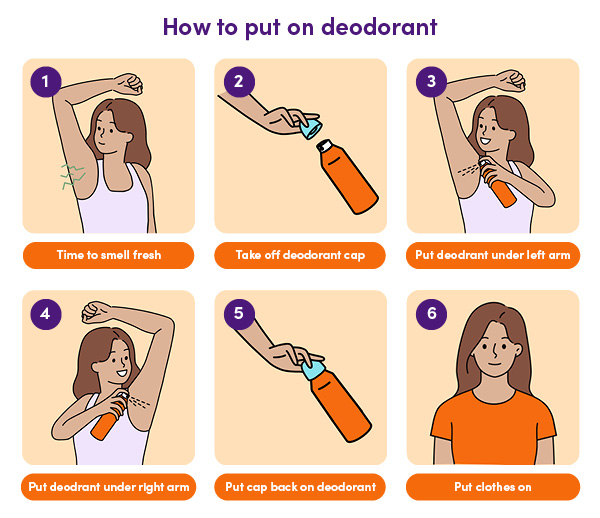
Image 1: An example of a visual schedule on hygiene
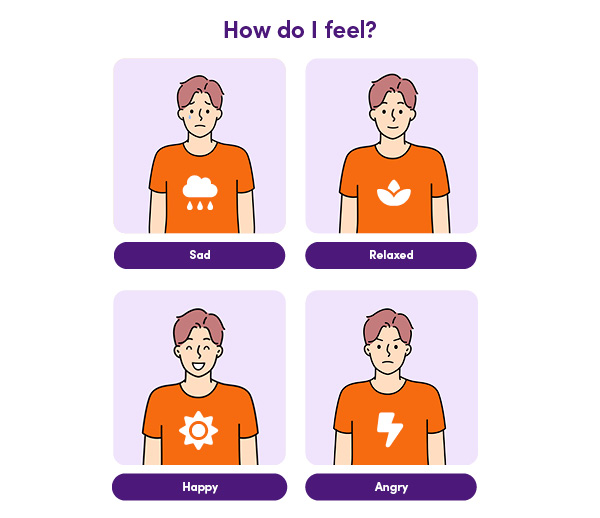
Image 2: An example of a visual schedule on emotions
Creating predictable routines
As your child grows and puberty progresses, new hygiene routines may be needed. This might include using deodorant, managing hair growth or learning about menstruation. Parents can support their children by providing visual schedules as a prompt to follow. These can be placed in the bathroom, bedroom or anywhere these hygiene routines take place.
Practicing and modelling these new skills can also be a great way to reinforce a new concept. Alongside physical changes and new routines, puberty can also bring shifts in emotions, relationships and how your child experiences the world around them.
Prepare for emotional changes
Puberty is not only about physical changes, it involves emotional and social changes. Your child might experience mood changes, big emotions and feelings or a new interest in friendships or romantic relationships.
Parents can help by normalising these feelings and explain why they are feeling that way. Encouraging your children to talk about how they’re feeling or show you how they’re feeling can strengthen communication and trust. Social stories can be a great tool for explaining some of these changes.
Privacy and consent
Understanding privacy and consent is a crucial part of puberty education. Children should be taught the correct anatomical names for private body parts and learn when and where it is appropriate to touch them.
Teaching children about consent from an early age also helps build a strong foundation for understanding personal boundaries and respectful interactions. This knowledge can be especially important if they require personal care support as they grow older, helping them feel more confident and informed about their own bodies.
Here is an example of ways consent can be provided:
| Question | Verbal responses | Non-verbal | AAC Device |
|---|---|---|---|
| Can I touch your arm? | Yes | Step forward/wheel forward | Yes |
| Can I play with your toys? | No | Shake head | No |
| Is it ok if I use your pen? | No, I am using it | Shake head | Not + now |
| Do you want me to help you have a shower? | Let me ask mum/dad | Point in direction of parent | Ask + mum/dad |
| Would you like me to help you take your t-shirt off for your shower? | No thanks | Shake head | No + thank you |
Working with support networks
Consistency is key when it comes to reinforcing new concepts for children. Working alongside independent support workers on Mable, therapists and teachers ensure that consistent messaging is used. Although these topics can feel sensitive, these professionals are used to having these conversations and can help develop resources and routines that support your family.
Puberty is a significant milestone, and with the right supports in place, it can be handled with confidence and care. By starting conversations early, using clear and accessible resources, and working closely with your child’s support network, parents and carers can help make this stage of development more predictable and less overwhelming. Every child’s experience of puberty is unique, and taking the time to understand and respond to their individual needs can foster trust, build independence and support wellbeing as they grow.
Explore a range of free, downloadable support resources on Planet Puberty's website or email the team to join their mailing list to keep up to date: disability@fpnsw.org.au.
The information provided in this article is provided by Planet Puberty and is general information only. In addition to considering the information shared in this article, Mable encourages you to conduct your own research and seek independent medical advice in your particular set of circumstances.