
A note on language: At Mable, we use ‘identity-first’ language when referring to autism and autistic people. We’ve made this decision based on feedback from our community. We understand different people have different preferences, and we recognise and respect every individual’s right to choose how their identity is described.
As children grow into adults, many want independence. This can include moving out of the family home.
Many parents of children with disability want the same independence for their children. They want their children to have the chance to grow and share their lives with others and develop a sense of belonging in their community.
If you’re in this position, it’s important to know that there are many ways to successfully live independently.
When Fran spoke with Libby, she learned all about other ways Max could share his life and home with others, which was a very enlightening conversation.
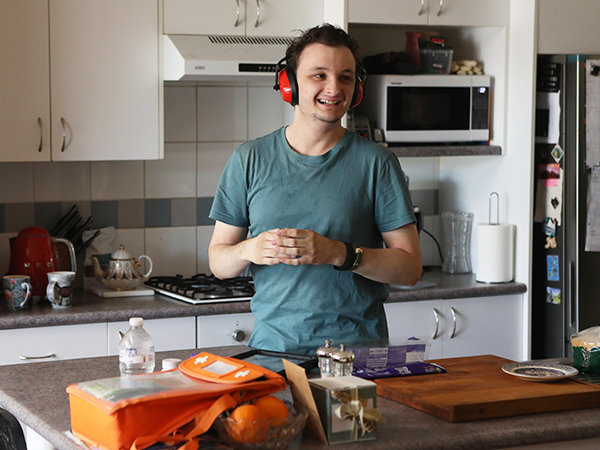
Max is a happy 21-year-old autistic man. He mostly communicates using visuals, gestures and body language and is mostly non-speaking. Max has finished school and attends a day program. He loves listening to music and watching TV, especially shows from the early 2000s.
“He’s fascinated by TV shows in different languages. We once had someone visiting our home who was Korean. Max realised this and started watching Christmas carols in Korean. They were amazed,” Fran says.
Fran says Max often finds ways to connect with people he likes and trusts. “He tries to vocalise his needs and wants and I think living with others will broaden that,” she says.
That’s why Fran has started the journey of helping Max to live independently. “He has the ability to stretch himself. But if he stays at home or on his own, I think he would remain isolated and wouldn’t reach his full potential.”
Fran says Max’s ‘best life’ includes having the right support but also developing friendships. She believes these connections will build his confidence.
“A great home for Max would be one he shares with others, ideally people of his own age,” she says. “They could share their interests with him and draw him out of his shell.”
Fran is excited about Max becoming more independent. At the same time, she wants to make sure he has the right support in place.
“We want people around Max who will help him grow and work towards his goals,” she says.
For both Fran and Max, good support means encouragement and consistency.
“Routine and trust are really important for Max,” Fran explains. “Once he has that, you can build from there. You learn each other’s likes and dislikes, without necessarily needing words.”
After learning more about Max, Libby felt that building on Max’s desire to share his life with others could open up new options for him.
It might look like Max living with a supportive housemate. They might provide companionship and background safety in exchange for reduced rent. Or, it could be what’s called a host arrangement, where Max lives in the home of a non-related person who provides a stable, welcoming environment. Many people use their existing NDIS funding to do this, but there is also an option called Individualised Living Options (ILO).
ILO is a flexible living arrangement model that suits a person’s specific circumstances. They might live with a friend, with someone not related to them (with or without disability) in their home, or on their own with the outside support they need.
For Fran, learning about this was a light bulb moment.
“I hadn’t thought of this before. It was an excellent suggestion because it means we have more choice and control. You can interview people to see if they’re a good fit. It also uses the same funding Max already has,” she says.
“Speaking with Libby really broadened my thinking. It means Max’s world gets bigger.”
There are three powerful first steps in the journey toward independent living.
First, focus on the individual and define what a ‘good life’ actually looks like for them. This can include thinking about their routines, their unique needs and what a good home life looks like.
Second, document the background support the family currently provides as well as what keeps the individual safe. This helps with showing all the ‘invisible support’ that currently makes life work for them.
Third, build your expert team to bridge the gap between vision and funding. Work with qualified professionals, such as occupational therapists, who can help document support needs for NDIS purposes.
Libby explains, “these steps are powerful because you are building a case based on a person’s life, not trying to fit a person into a pre-existing program.”
Have an open and honest conversation as a family. Talk about what a good life looks like for the person who will live independently, and what you feel is a great outcome for them.
As much as possible, include your family member with disability in the conversation. Fran says considering their likes and dislikes is really important, because at the end of the day it’s their life.
It’s important to have a choice about who will support your family member as they live independently. You need people who encourage your young person and help them grow. They’re not there to limit the person, they’re there to enable their independence.
Another tip is to always trust your instincts. If you don’t feel it’s right, don’t do it.
Independent living is about more than where someone lives. It’s also about how they live.
Speak about ways your family member could get involved with the community and how their home will help their life expand. It might be through work, social activities, art, sport, or other hobbies.
It’s helpful to speak to someone who understands the system well. Look for organisations that offer a wide range of support. This can help you find an option that fits your loved one, rather than a one-size-fits-all approach.
Having someone who understands the different options – especially about how funding can be used – can make a big difference to living independently.
“Libby gave me a different perspective. She helped me think outside the box and realise I could take action of my own,” says Fran.
Learn more about How to Start Your NDIS Home and Living Journey.
If you’d like to find out more about different independent living options or how to use your funding, reach out to a Mable Home and Living Consultant. We’d love to help.
Mable’s Can-do Guides are created in collaboration with people with disabilities. Content in these guides is general in nature, based on the experience of those interviewed, and may not be applicable to all.