Read the Easy English version of this article
Different people have different support needs and goals they want to achieve. On Mable, independent support workers offer support services for older people and people with disability.
Whether you need social support to get out for a cup of coffee or attend classes, support to clean your house or for gardening, transport support for appointments or clinical support, on Mable you can find what you need.
Common services independent support workers can provide on Mable include:
- Social support
- Domestic support
- Personal care
- Nursing services
- Speech therapy
- Occupational therapy
- Physiotherapy
- Psychology support
On Mable, only appropriately qualified and experienced support workers can provide the services they mention on their worker profiles. Learn more about what qualifications your support worker must have.
Daily living, social and community activities
Daily living, social and community activities includes support for companionship, community participation, meal preparation, transport, light housework, light gardening and personal admin. Examples include:
- Organise transport to your weekly sport sessions, appointments or classes
- Watch the latest movies or stage shows in your local cinema or community centre
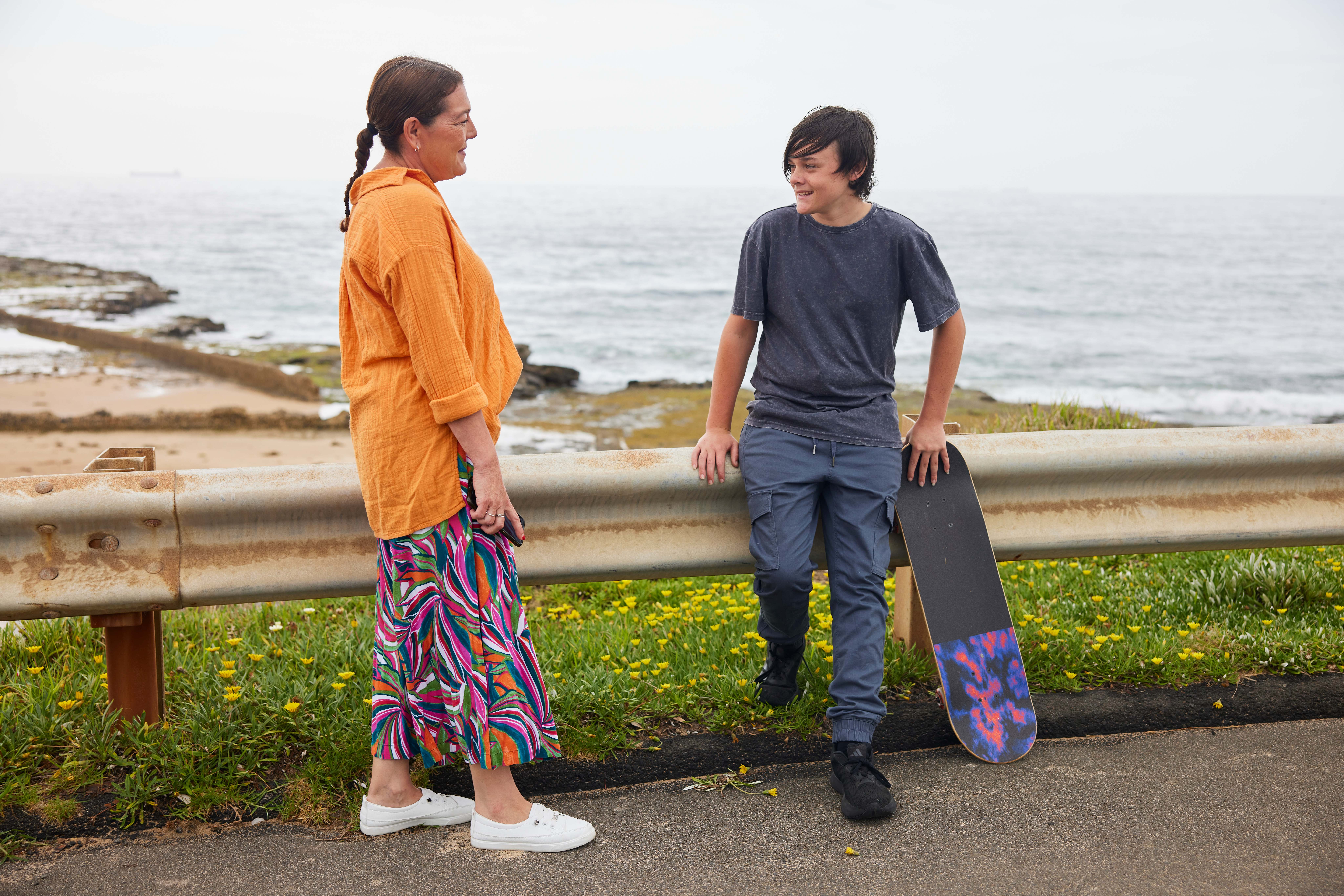
- Get out and about at your local park, beach, cafe or visit the museum or the beach
- Learn new skills or enjoy your hobbies
- Weeding, cutting lawns, planting, and clearing small garden plants
- Assisting with daily organisation of reminders, calendar management, appointments, correspondence, and other general administrative tasks
- Minor repairs in homes that don’t require a trade qualification. For example, changing light bulbs, changing smoke detectors’ batteries, minor furniture repairs and fixing cupboard doors.
Personal care
Sometimes, support needs can be a bit more complex. Personal care is an important aspect of in-home support and covers everything from manual handling to personal hygiene. These can include
- Shower, toileting and dressing
- Light massage (massage of hands, arms, feet or legs)
- Exercise assistance (assisting with community sports, fitness and daily exercise)
- Manual Transfer and mobility*
- Assistance with eating*
- Assistance with medication*.
Nursing services
Looking to receive nursing services in your home? On Mable, you can find Registered Nurses who can provide clinical care. Through nursing services, you can:
- Access the right clinical support for your needs.
- Be understood and supported by someone with the right qualifications.
- Receive rehabilitative care, care for dementia, or wound care in the comfort of your home.
- Receive medication management tailored to you.
- Be supported by someone who has a minimum of one year of experience in their professional field.
Nursing services can include:
- Wound care
- Diabetes care
- Catheter care
- Medication management
- Continence management
- Bowel and bladder management
- Spinal Cord Injury support
- Cancer support
- Respite support
- Down syndrome support
- Parkinson’s support.
Allied health services
Allied health services can include physiotherapy, occupational therapy, speech pathology and psychological services. You can find an allied health support worker on Mable to:
- Provide occupational therapy to help you do what you love
- Focus on your mental, physical and emotional health with the help of an experienced professional such as a psychologist, physiotherapist or speech therapist.
*Provision of these services requires relevant qualifications or certifications. Depending on the service offered, peak body registration may also be required. These will be verified by the Mable team alongside background and relevant checks including police and Working With Children Check checks, and ABN confirmation prior to account approval.