Would you know how to answer if someone asks you what an occupational therapist is? Occupational therapists (OTs) are some of the most valuable and diverse health professionals of our community, and 27-year-old Aimee, an occupational therapist who specialises in paediatrics and disability support on Mable, is no exception.
“Like many other people, I didn’t really know what occupational therapy was all about. I didn’t know what an occupational therapist was before I started studying - my mum told me she thought I’d be good at it, so I can thank mum for that,” said Aimee.
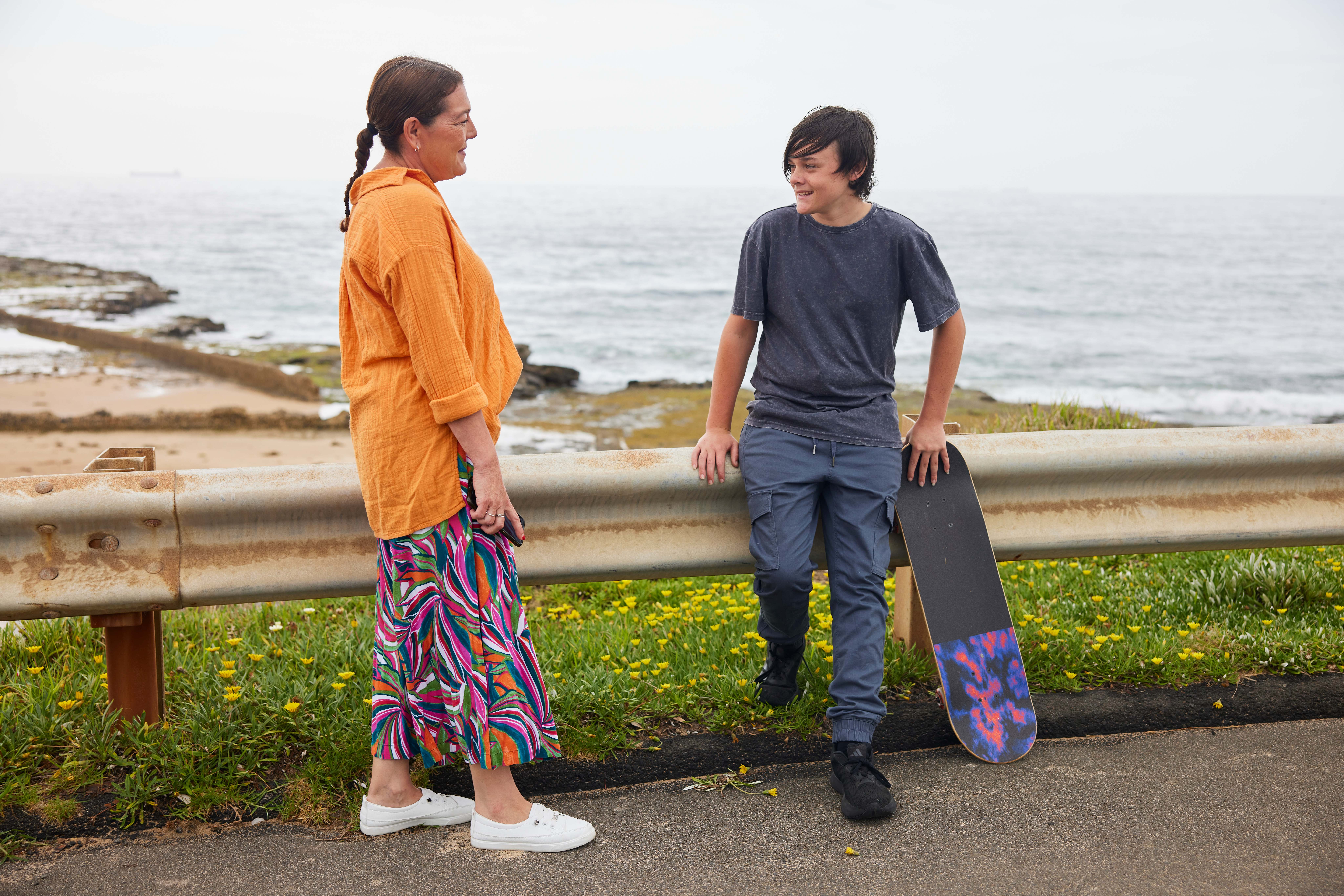
Growing up on the NSW Mid North Coast, Aimee was always near the ocean and spent a lot of time surfing and teaching others to surf in her close-knit community. Surfing, for Aimee, started off as an exhilarating hobby, but it has since become an integral part of her career as an occupational therapist.
“I began practicing as an OT in 2015 after finishing my degree at University of Newcastle and since then I’ve been working in paediatrics in a few different roles,” she said.
Australia is home to over 21,000 occupational therapists who work directly with people of all ages and abilities to help individuals reach their potential and complete the ‘occupations’ of everyday life. Occupational therapists work across many health sectors, including aged care, disability support, acute care, mental health, independent living and rehabilitation.
“I had been involved in the Surfers for Autism Day that was held around the Newcastle area, and I noticed that there was a growing need for this kind of activity in the autism community long term,” said Aimee.
Taking on board the demand for surf therapy, Aimee helped established a not-for-profit, volunteer-run organisation, Surfing the Spectrum.
“It all started with an event on Facebook. We opened up 50 spots online, and they sold out in about 15 minutes. It was then that we realised that these families really wanted to get involved and they really wanted this to be available for their kids,” she said.
Surfing the Spectrum encompasses surf therapy to help children with autism develop and improve their sensory integration, get to know people in their community and create new experiences.
For children with autism, surf therapy has many benefits, according to Aimee.
“Children with autism tend to have sensory processing difficulties, and sometimes low muscle tone or poor postural control. Surfing is amazing for developing those skills, but they need the right support to be able to do them,” said Aimee.
“It’s awesome to be able to see what they can do and to watch them get excited before they go surfing. Within the wider community there is still a lack of awareness around autism and what these children can achieve, but we can see that these kids are so driven, and that they do some amazing things.
“Surf therapy is a great way of combining my two passions, and a lot of my therapy is based within nature where I try to make the most of what’s around us.
“I think the generation coming through now aren’t having the same experiences with nature that I was able to have, so I think giving children living with a disability the support to get in touch with nature is a really beneficial thing.
“I believe therapy and goals should be family-centred and family-driven, so I make sure I work within the environment of the family of my client.”
If you’d like to find out more about Aimee, or you’re looking for support from a health professional or support worker, you can start building your support team on Mable today.
Are you an occupational therapist like Aimee? Head to Mable to connect with and book people seeking aged care or disability support across Australia.
If you're looking for a rewarding career, become an independent support worker on Mable today. Every session booked and invoiced through Mable comes with insurance for support workers. You'll also gain access to 170+ free training courses and 24/7 counselling support.