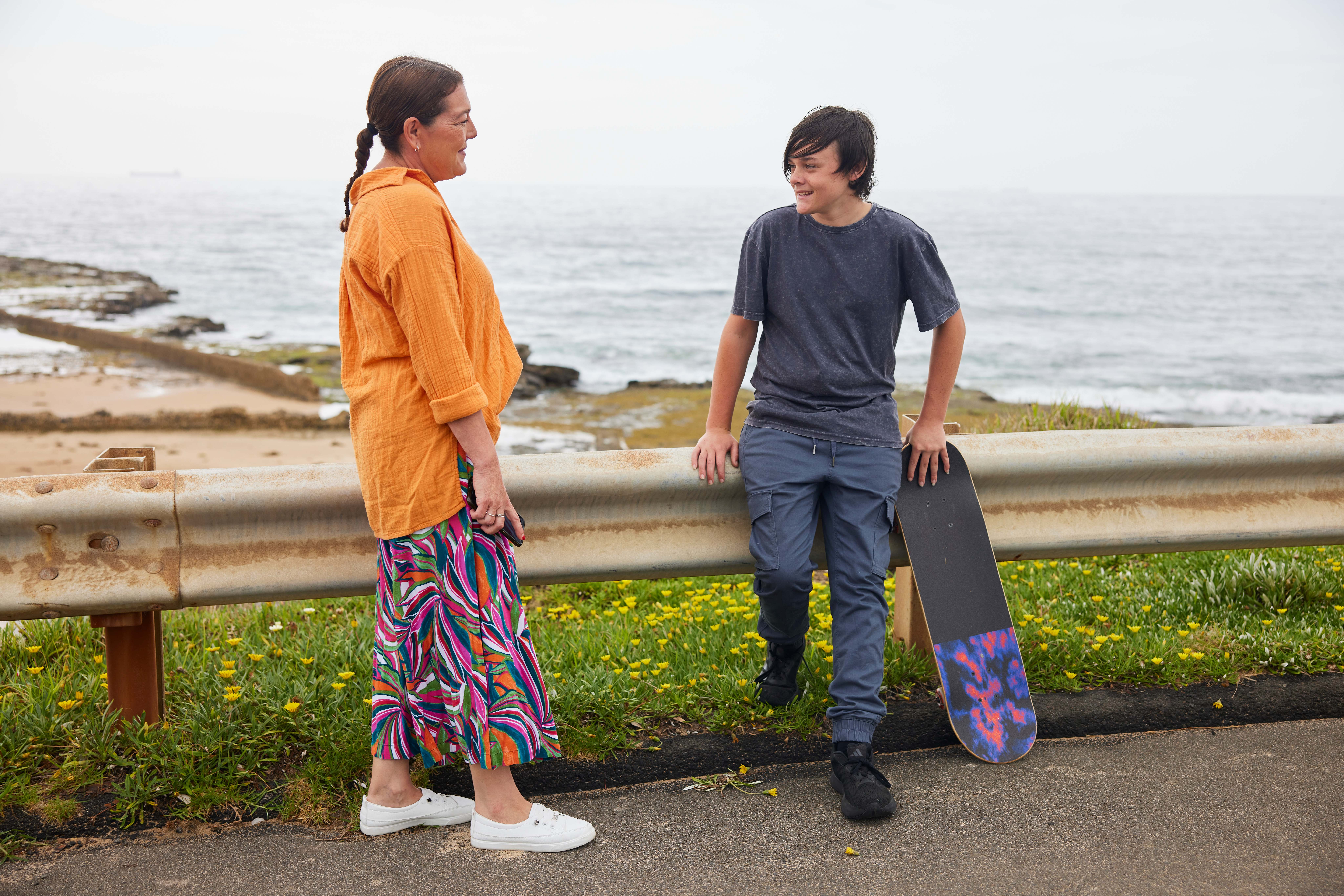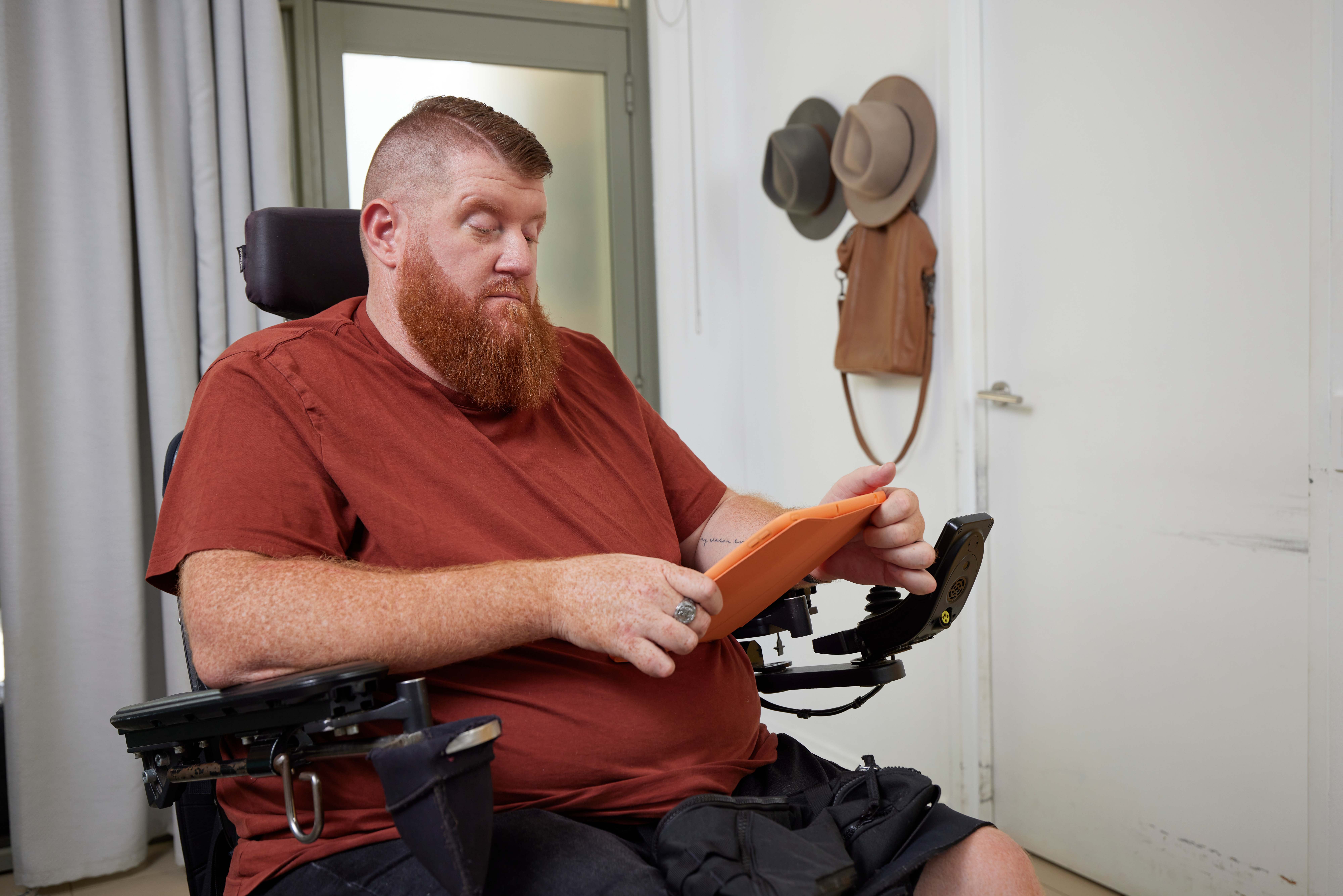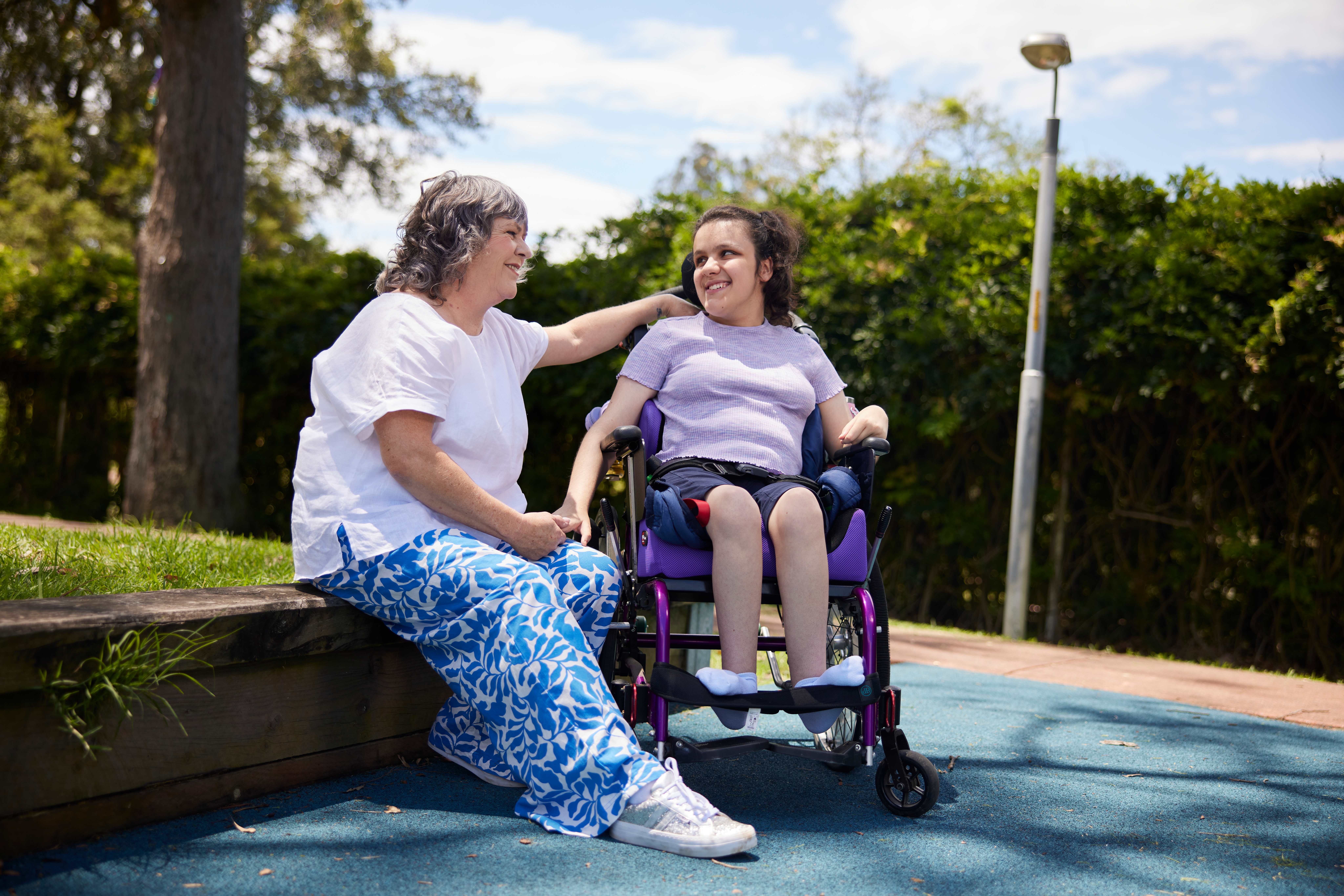
It's so enriching to connect with people who support and celebrate your authentic neurodivergent self, no matter where you fall under the neurodivergent umbrella.
My journey with autism
I spent my whole life not knowing I was autistic. After being diagnosed at age 27, it felt like the world had flipped upside down. But it also felt so right, as it explained so much.
That gave me both grief and joy. I wish I'd understood my experiences and how I could have better supported myself, and I wish I could have seen things my younger self missed.
I masked so much that I struggled with a sense of self. And the self I did feel felt broken. Not because I was autistic but because I'd struggled so much in a world that told me I was wrong.
I also developed bipolar and extreme anxiety, which only made things more challenging. I was often convinced I was an awful person, that no one could like me, and that I didn't belong. I just kept getting the message that this world was not a place for me. And even if I was kicking goals, I still struggled immensely with my mind.
Connecting with the autistic community
I love neurodivergence in all its beautiful ways. I love all the different ways we exist. Our community is so creative, passionate, intelligent, driven and powerful. I love that we forgo small talk to dive straight into deep conversations. I love that we don't care about eye contact or looking like you're "actively listening". I love that we celebrate using stim toys and whatever else you need to do, like getting up and walking around or drawing. I love our deep, passionate interests, regardless of what they are. And I love that we understand because though our experiences differ, we all have shared similarities.
But the truth is, our community can be misunderstood, and we experience so much ableism, discrimination and stigma, especially those of us with additional disabilities and other layers of marginalisation.
When the world continually tells you you're wrong, you can't help but be affected by it, even if the ways are subtle, like not having access needs considered.
What it means to be part of a community
It's so special when you have neurodivergent friends and allies who prioritise access needs and your well-being and celebrate you for all your beautiful differences. People who understand what you've been through and remind you you're perfect just the way you are. People who make you feel safe, comfortable, and cherished. Despite being a writer, it's a kind of love and connection I'm struggling to put into words.
So, I asked some other members of the autistic community for their thoughts.
"Being able to unmask and fully be me is the definition of freedom for me," said Lizzie Brown, an autistic singer and teacher.
Podcast host and advocate Michael Cole agrees, "Not having to hide any part of myself to appease others is something that's so liberating and feels me with such joy. It means that I can completely be myself and share it with others who truly believe me and value me as worthy."
I think Lizzie and Michael express this feeling perfectly. Being seen as your authentic self and being loved, celebrated and supported is powerful, and we all deserve that.
Even connecting online and coexisting in the same spaces can be special, powerful, and, quite frankly, healing.
Coming together and giving each other love, safety, and support can be life-changing.
A note on language: Zoe uses identity-first language this article. At Mable,we understand different people have different preferences, and we recognise and respect every individual's right to choose how their identity is described.
Zoe Simmons is an award-winning disabled journalist, copywriter, speaker, author and fierce advocate. She writes and speaks candidly about her experiences as an autistic, chronically ill, queer disabled person living with complex mental illness to smash stigma and create change. You can find out more about Zoe on her website, or follow her on Facebook, Instagram, LinkedIn or TikTok.