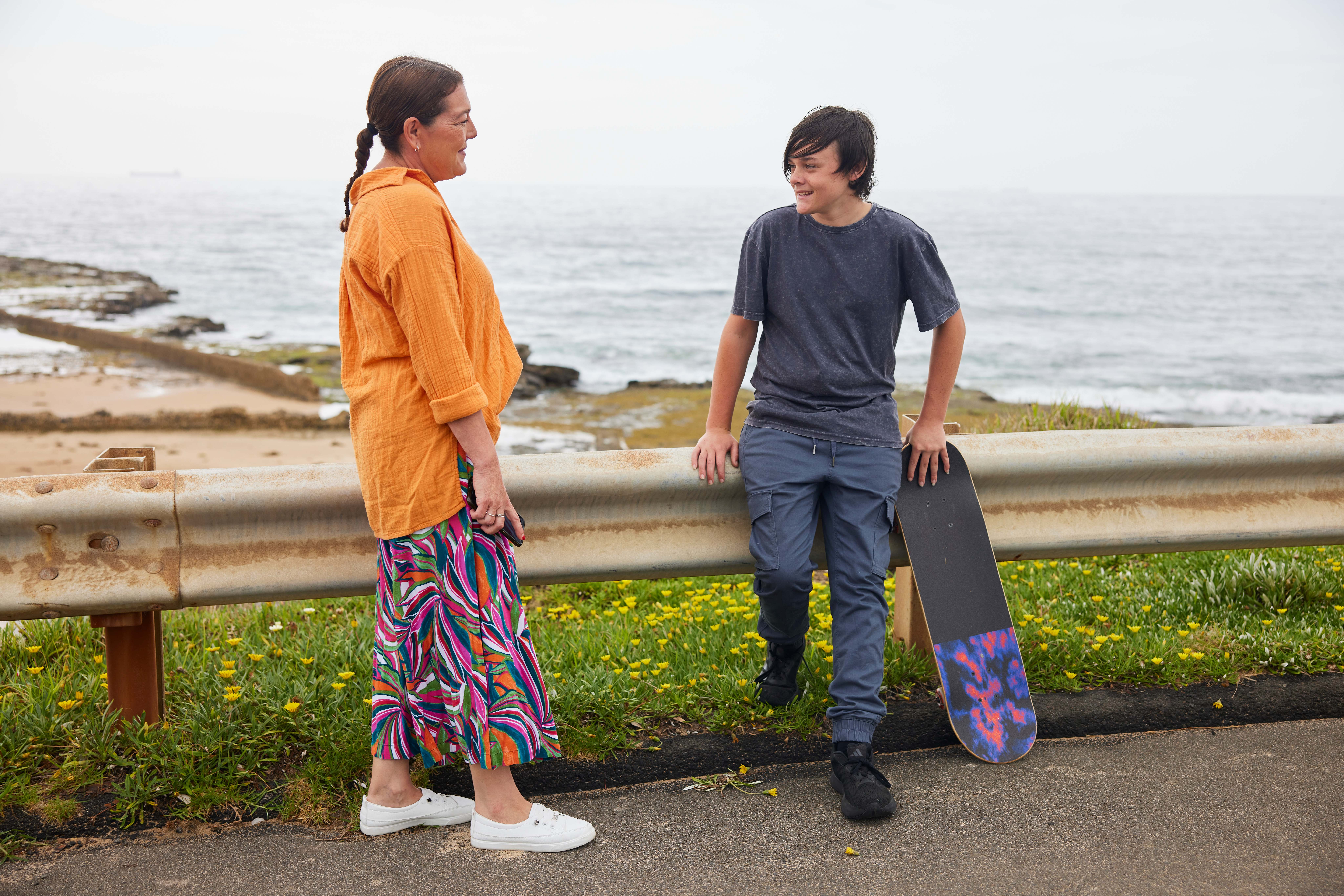
A long-time Mable client, 25-year-old Jacob likes to stay busy. After sustaining a spinal cord injury in 2019, Jacob was struggling to manage his routine, which led him to Mable to find independent support workers.

“I needed some extra support fast,” says Jacob, “I did some research and found Mable. I liked that I could choose my own support worker, and I needed someone who could help me quickly. Within minutes of signing up, I had a chat with the Mable team and we started working on a plan to help me get through my tough time.”
Three years later, Jacob has learnt to adjust to his new life, and despite his injury, he remains resilient. “I have been working hard to learn as much as possible about my injury and how to live a good life with it. One of my passions is advocating for others with spinal cord injuries, as well as promoting innovation within the disability community.”
Jacob recently started his own business, which is focused on helping people with disabilities live more independently. “Getting support through Mable means I can find people with the skills I need, and they're flexible too - which is good, because my business changes all the time,” he explains.
Aside from work, Jacob loves to exercise, cooking, travelling, music, spending time with friends, and learning new things. “To help me focus on the things that are important to me, I have support workers that help me with things like shopping and cleaning.”
He adds, “I also engage support workers to pursue my interests and hobbies. For example, I want to learn how to speak Mandarin, so I have found a support worker that can teach me the culture and language. I also have friends who are travellers and they have shared their experiences with me, which has inspired me to travel more.”
Having a range of interests, Jacob has found it beneficial to build a team of support workers. “My support workers are skilled in different areas, that's why I have a team of people that can support me in different areas of life. When I need help staying organised, I have a support worker that is studying at university to teach me good organisational habits.”
“I have a support worker who is a musician and singer, and he teaches me good breathing techniques because I have a weak diaphragm due to my injury. When I need to go shopping, I have a support worker who’s a chef by profession; this way I get expert advice and help to get groceries.”
Jacob adds, “I think it's important to have a team of support workers because you'll always have someone to call upon if another support worker can't make it for a support session. I feel like having a wide variety of people to support me is important also, I get to learn about different topics and cultures, this helps me feel connected in my community.”
But how does one go about building a great support team?
Finding the right team can be challenging, but with the right approach, it’s entirely possible, he says. “For starters, it's important to understand what you need from your support team. Are you looking for personal assistants to help with day-to-day tasks, or do you need someone to provide medical care? Once you know what you're looking for, post a job ad and be clear about what your expectations are. Establishing clear expectations will help ensure that everyone is on the same page.”
He suggests, “If you're new to the process, don't be afraid to ask Mable for assistance. They can help connect you with the right people and make sure your team is off to a great start.”
Importantly, Jacob adds, being open-minded during the process is important. “I don’t focus on qualifications; personality and compassion is important. The best support workers are those who are patient and understanding, and who can adapt to changing circumstances.”
“When I think of the word ‘support’, I think of enabling me to live a life without limitations. Support means I’m not alone. My support workers are my biggest cheerleaders. They provide me with the encouragement and strength that I need to keep going. When things get tough, they are there to pick me up and help me get back on my feet.”
Jacob concludes, “Every day is different, but my support workers help me achieve my daily goals. They're an important part of my life, and I couldn't do without them.”
Whether you're looking at building a support team, or looking for a support worker in your local area for either yourself or a loved one, get started on Mable today.