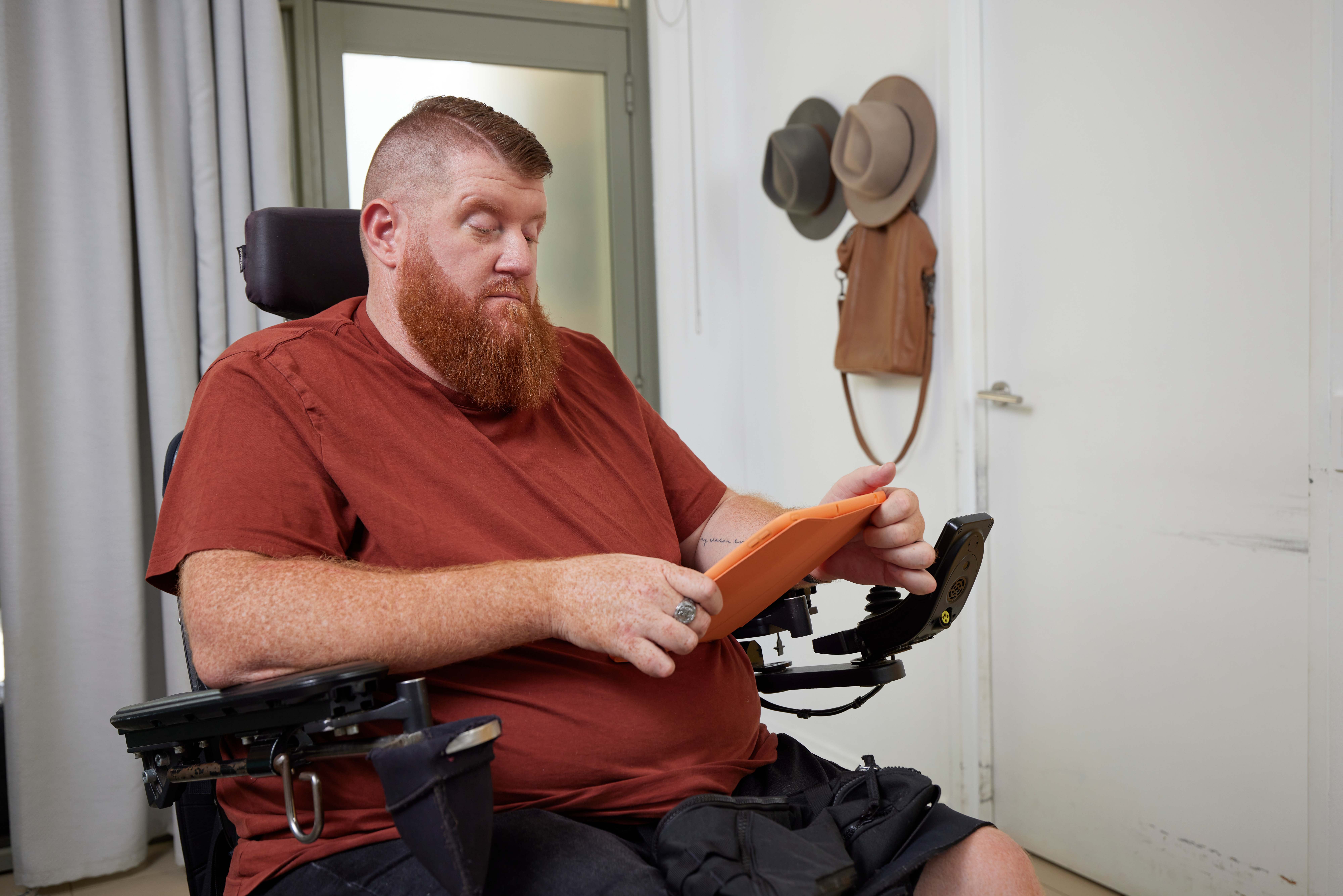
Independent support worker Ben Newmarch wants to let others in on a secret.
“What people will find surprising about support work is it's not what meets the eye,” he says.
Calling support work more than “just a job”, Ben describes the varied work he does as being part of a bigger support worker “ecosystem” - one where the opportunities are “endless”.
Ben, who was part of Mable’s Care Factor campaign, shares why he became a support worker and why it suits him to a tee.
COVID changed everything
Ben’s journey into support work began when his mum became a support worker during the pandemic.
Ben says, “At the time, she was working in the hard-hit travel industry. During COVID, she became an independent support worker.”
It proved to be a positive career change for her. “I saw the changes it was having in her life,” he says, seeing his mum enjoying a newfound sense of fulfilment from helping others.
It’s what compelled him to become a support worker too, and he feels supporting his clients to achieve “the little and large successes each day” is what brings him the most joy.
Being a support worker on Mable
Ben’s week working as a support worker on Mable is truly varied.
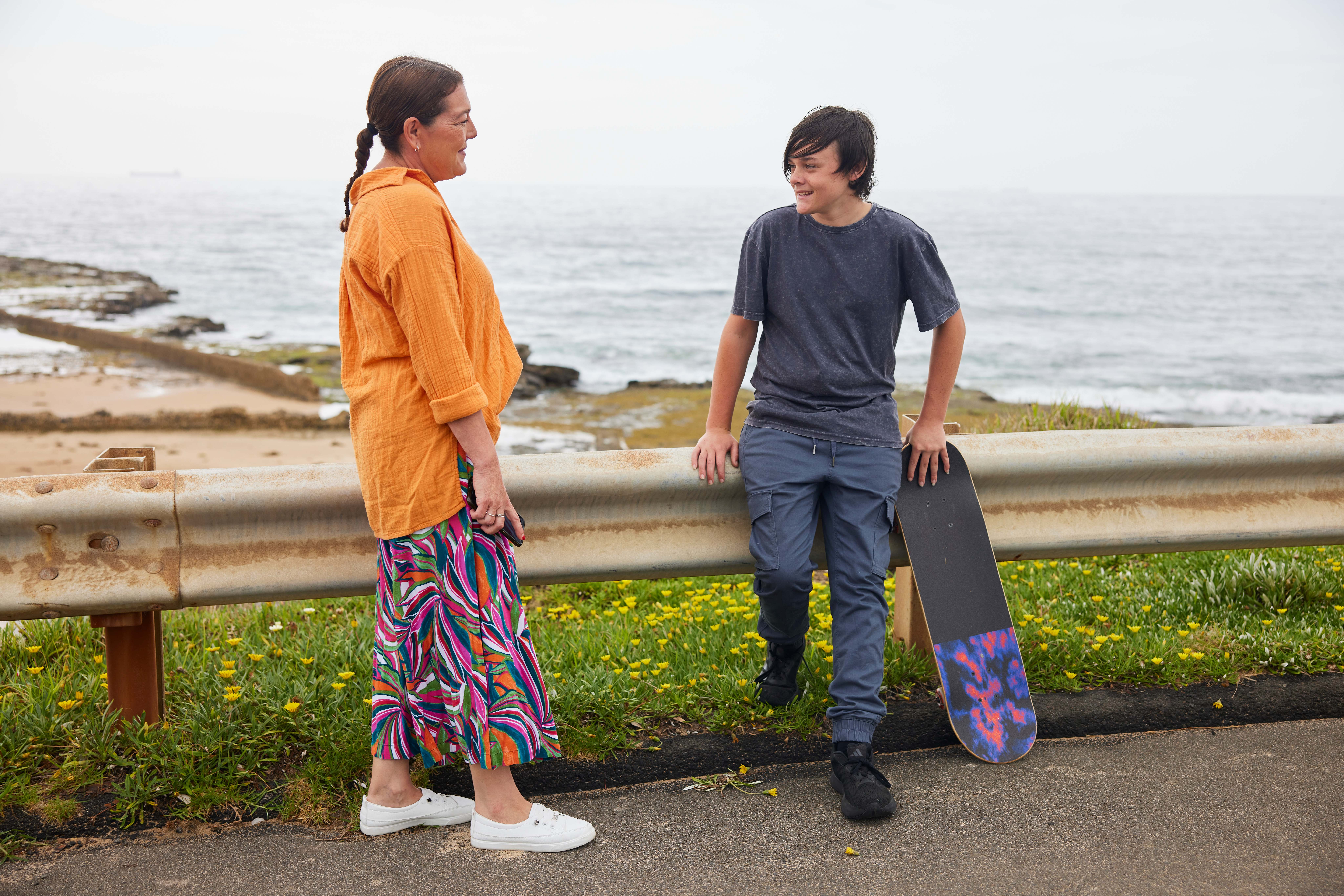
“Things like going to the beach, community access, there's personal training which I'll liaise with the personal trainers and work alongside the person I'm supporting. I also run online sessions for literacy and comprehension development,” Ben says.
It’s this variety that he particularly loves about his career. For Ben, his client’s needs, aspirations and the skills he can bring to the table determine how he supports each person.
“I construct my entire week, and the way I construct my week benefits myself and also the individuals I support,” he says.
Flexibility and building a business on Mable
While valuing the flexibility that comes with working as an independent support worker, Ben also appreciates the tools Mable provides to him as a business owner.
“Thankfully, it’s a great platform that can assist us in those early stages. Yes, you have your flexibility with starting to structure your week, but you also have the opportunity to learn about business,” he says.
Ben encourages others who might be considering starting their own support worker business to not be discouraged if they don’t have formal qualifications. For Ben, vocational experience has been key to honing his skills as a support worker.
“There are definitely situations and people that require specific supports where you will need a qualification,” he says.
Qualities of a good support worker
According to Ben, there are three key qualities to being a good support worker.
“Someone that is caring, understanding, and empathetic,” he explains.
For Ben, these are the qualities that drive him and other support workers to do their best by their clients.
Life experience and what makes people ‘them’ are important too, he adds. “What we've gone through in our lives makes us a stronger supporter and helps us support those people, in so many different ways,” he says.
As long as you care, Ben adds, people with all sorts of previous life and work experience can become support workers.
“Caring definitely is the number one quality that makes a great support worker. This is where it all starts from,” he says.
The Care Factor
Interestingly, The Care Factor Report by Mable found many people, like Ben, are indeed caring. 2 out of 3 Aussies were identified as having caring qualities. What’s more, 44% said they wanted more flexibility in their lives.
For Ben, running his own support work business has given him this freedom and also, a deep sense of fulfilment. He knows he’s making a difference in people’s lives each and every day.
“Now, post-pandemic, we understand that we don't have to sit in an office,” he says.
“We can make a really fulfilling career.”
What’s more, it’s one that is varied in terms of the different types of support required by different clients, and how support workers can build on their skills to expand their offerings.
As Ben says, “The support ecosystem is so diverse and there are endless opportunities.”
Discover how you can become an independent support worker on Mable today.